Assassin’s Creed Mirage Valley of Memory took me back to the old Assassin-style games, and I felt happy to see that the old style, with simple stealth close-range kills, reverberates in the base game, which has returned to it too. I liked it for having stayed small and focused; long games do tend to tire me out, so this six-hour-sized package felt great.
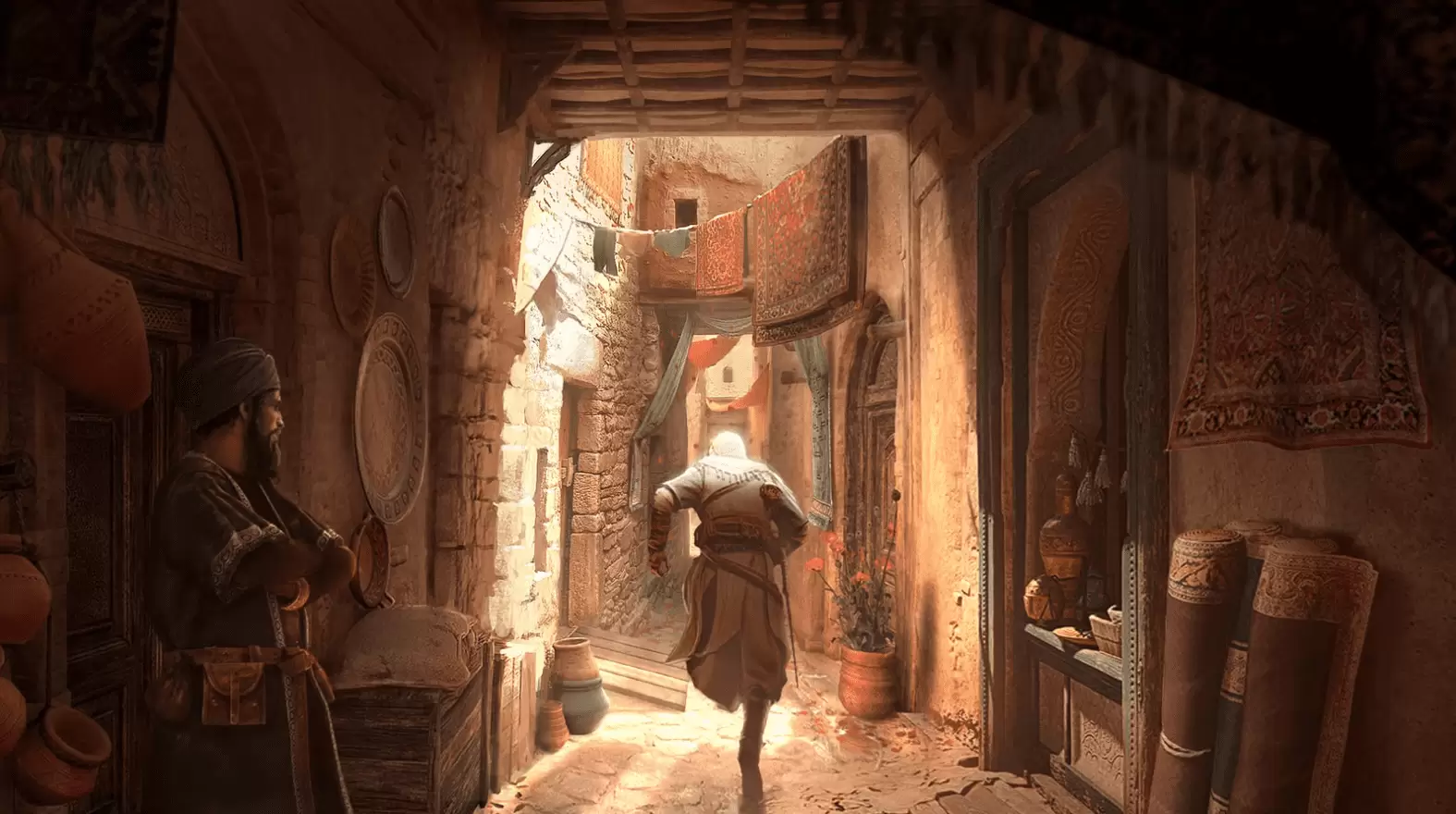
The prime thing that gripped my attention was the new city. I thought Ubisoft would just borrow everything from Mirage again, but no, this felt different. Streets, small corners, rooftops, markets; everything felt fresh. I was reminded of the days when I would spend hours after school exploring the realms of previous Assassin games and going everywhere, just climbing without a care for missions.
The story in Valley of Memory begins slowly. One enters this tranquil space that does not feel dangerous at first, only to later realize that something sinister lurks behind the scenes: a hidden group is trying to control the city from the inside, leaving more clues with every landmark you visit. I enjoyed this part simply because I like solving these small mysteries. It kept my interest from the get-go and certainly did not allow that to fade as I sped through.
What I liked was that you could have no knowledge about everything in Mirage, simply, and would still be able to follow along with its story. Its characters are new, their motivations are unveiled gradually, and they never leave you scratching your head. The ending, while simple, is well-grounded and does not try to smack you with some big twist. Instead, it ties up the story in a neat little bow.
The missions are like a constant pattern that keeps your feet moving. You are following lead after lead, talking to one person after another, sneaking into guarded places, and participating in little investigations feeding into the main plot. It reminded me of doing long schoolwork where every step tied into the other. I really liked this expansion for respecting my time because many games nowadays just try to fill time.
Parkour and stealth in the Valley of Memory work where the city is actually made for them. The rooftops are close enough that running and jumping, and climbing between them comes naturally. I like this way better than the main game because this area is more confined and more vertical. I had those times when I got on the rooftops and kept running past simply because it was fun, which I rarely do in big open-world games.
My eagle was still enormously helpful. From above, I could scout out enemies below, hidden paths, and the safest possible places to access the target. Some areas were full of guards, but since the eagle helped me plan, I never felt it was impossible. Sometimes, I just used the eagle for sightseeing because the city looked interesting from above.
The tools are the same as Mirage. Smoke bombs for escape, throwing knives for quiet kills, noise gadgets to distract, and the hidden blade still feels best. I am not so good at combat in these kinds of games, and for that reason, I tend to avoid direct fighting. In this expansion, anyway, if you are loud, you are risking death since enemies hit hard and work together. So I pretty much stuck to stealth, and it had good results.
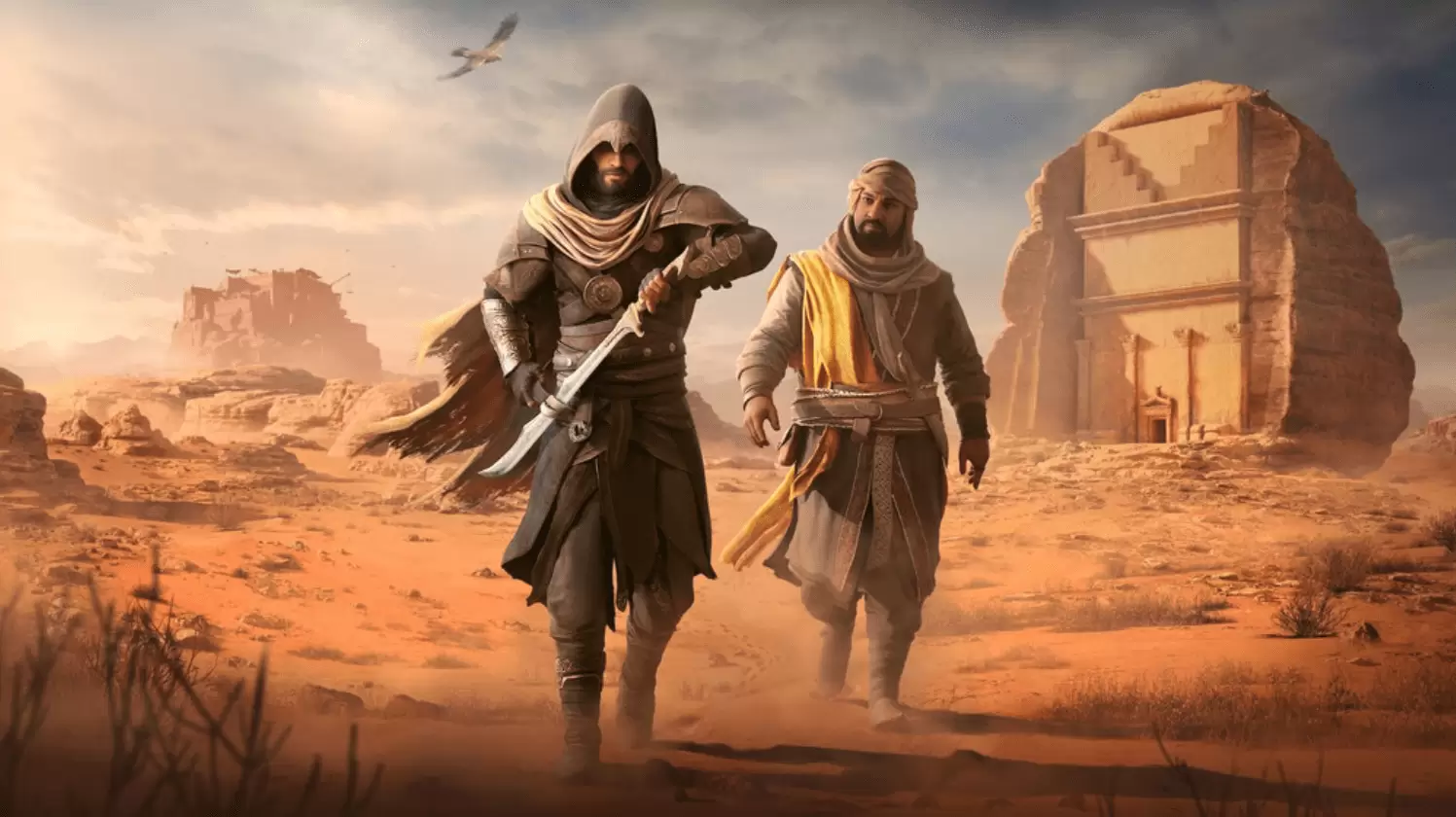
The side activities are also there, short ones. Little investigations, little infiltration challenges, and hidden holes and local mysteries. They do not interfere with doing your thing. They just add extra flavor to this city. Several times, I found clues inside homes or secret passages, giving me the impression that I had discovered something completely on my own. It reminded me of wandering around old buildings in video games in my younger years, trying to see what was behind every door.
Puzzles are easy. Follow footprints. Check guard patterns. Look for hidden switches. Or find a safe path. Nothing feels mechanical. Everything flows into the exploration gently. I really enjoyed a puzzle where you had to figure out a way to get into a locked structure just by watching from the shadows.
You are not meant to rely on combat, either way. I think keeping this good way on track is a thing they must do for planning. Then, parrying and dodging become a necessity if caught. There was a time when I messed up an encounter, ended up surrounded, and barely survived. Then on, I became cautious.
Upgrading is also low profile and grinds less. You get minute upgrades and slight boosts, but nothing really game-changing. Still, it really keeps the focus on skill rather than on grinding points. Nothing compelled me to farm, so I played the expansion straight from start to end.
The city is beautiful. The lighting, shadows, market views, rooftops, and alleys all have attention to detail. There is a warm ambiance due to the lights, golden reflections, and stone structure. For me, it was totally smooth, without a single shoe hanging. The lovely sunset scene of the rooftops was quite impressive. And although the city was small, it felt lively and lovingly designed.
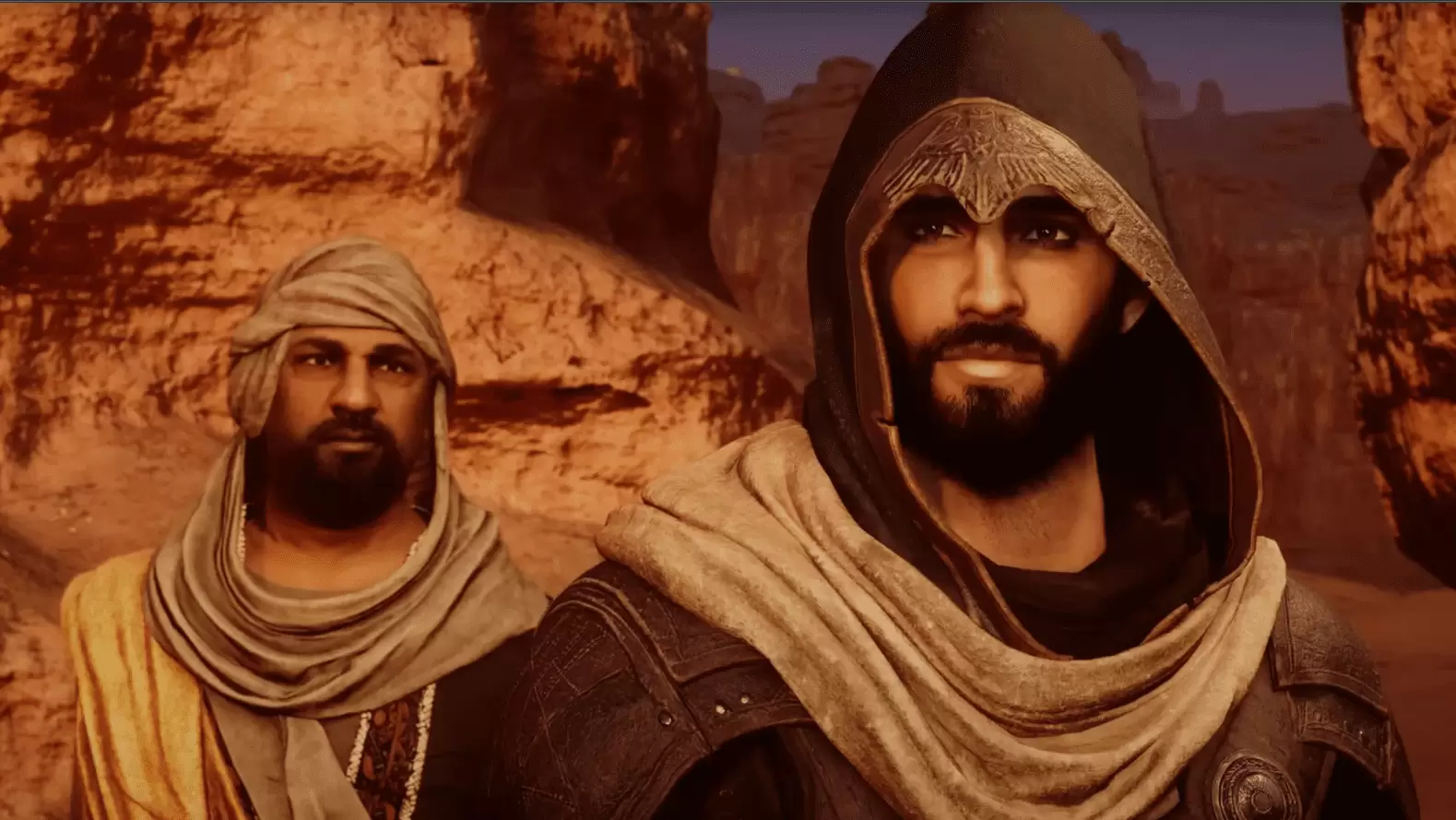
Sound design was another strong aspect. You hear a chorus of people, distant chants, soft stringed instruments, and urgent chase-scene music. Dramatic is not how voice acting is; it stays down-to-earth. The environmental soundscape gave wind and footsteps a more realistic feeling of movement. I love it when sound provides guidance, and it does here.
Assassin’s Creed Mirage Valley of Memory is worth a play for those who love stealth, exploring, and short, concentrated stories. Blissful reminder of how old Assassin games were, essentially fun. It expands Mirage yet preserves the identity of the franchise. The brand-new city is tons of fun, the missions do tie together nicely, and the experience respects one’s time.
To me, it seemed like a short but totally satisfying trip back to a style of Assassin gameplay I grew up with. I enjoyed it more than I expected. You may also be interested in: Acadiana High Football Page Brags After Loss And Ends Up Upsetting Fans