Category Archives: Gaming News

gaming news updates

Wireworks Base Defense Strategy Game Guide for Building Module Boards and Signal Combos

Strategy games come in many forms. Some focus on building cities while others focus on fighting enemies. One style that I always found interesting is base defense games where you prepare your defenses and watch enemies attack wave after wave.

Wireworks is a game that mixes several ideas together. It combines base defense gameplay with roguelike mechanics and automatic combat systems. Instead of controlling every attack directly, players build a smart defense system using modules and wires.

At first I thought it sounded complicated. But after looking at how the system works, it actually feels like a puzzle mixed with strategy.

The player must connect wires, activate modules, combine signals, and create powerful setups that can defeat enemy waves automatically.

The better your system design, the longer you survive.

If you want to learn more about automatic battle systems used in strategy games, you can read about them on the auto battler game concept page.

What Wireworks Game Is About

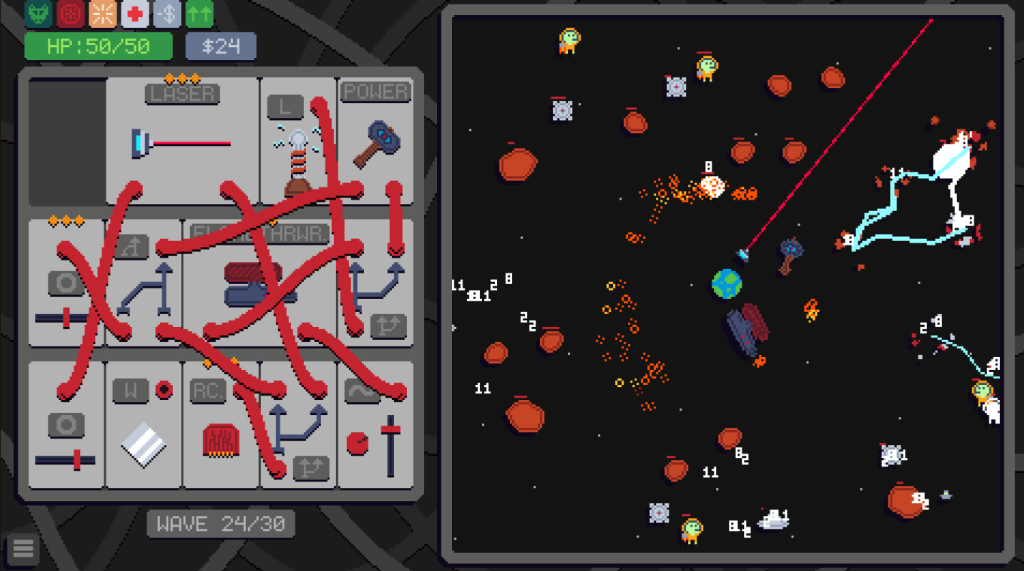
Wireworks is a base defense roguelike auto battler where players construct defensive systems using a module board.

Instead of placing simple towers, players build electronic style connections.

Modules act like components in a circuit. Wires connect those parts together.

Signals travel through the system and activate weapons or abilities.

Enemies attack the base continuously. If your defense system works properly, the base survives.

If the system fails, enemies break through.

This makes every run a mix of planning, testing, and adjusting your setup.

Understanding the Module Board System

The module board is the center of the gameplay.

Think of it like a small electronic circuit board where each slot holds a module.

Modules perform different functions.

Some modules generate signals. Others boost weapon power. Some activate defensive systems.

Wires connect these modules together.

When the wiring is correct, signals move through the board and activate different parts of the defense.

I personally enjoy systems like this because they feel similar to solving puzzles. Sometimes a small change in wiring can completely transform how the system works.

Managing Wires and Signals

Wires are not just decoration in Wireworks.

They control how signals travel between modules.

If a signal reaches the correct module, powerful effects can activate.

Signals may trigger things like:

  • Weapon attacks
  • Defensive shields
  • Energy boosts
  • Special abilities

Incorrect wiring can cause weak performance.

But clever signal paths can create powerful combinations.

This is where strategy becomes important.

Creating Powerful Module Synergies

One of the most interesting parts of the game is discovering module synergy.

Synergy simply means modules working together to create stronger effects.

For example one module may increase attack speed while another increases damage.

If both receive the same signal, the result becomes much stronger.

Over time players can discover combinations that completely change the strength of their base defense.

There are more than 150 items and skills available in the game.

This allows many different builds.

Some builds focus on high damage weapons. Others focus on defense or support effects.

Experimenting with these combinations is part of the fun.
Auto Battler Combat System

Wireworks uses an automatic battle system.

That means the player does not manually attack enemies.

Instead the system you build performs the fighting automatically.

Your job is to design the defense structure.

Once enemies appear, your modules activate based on signal flow.

If the design is strong, the enemies are defeated.

If the system has weaknesses, enemies may break through.

This creates a different type of strategy compared to traditional action games.

Enemy Waves and Boss Battles

Enemies attack in waves.

Each wave becomes slightly stronger than the previous one.

Basic enemies appear first. Later waves introduce stronger creatures and more complex threats.

Eventually boss enemies appear.

Boss battles test the strength of your defense setup.

If the module board is well designed, bosses can be defeated.

If the setup is weak, the base may collapse.

Exploring Different Game Areas

Wireworks includes three main areas.

Each area contains different enemies and challenges.

The environment and enemy behavior may change depending on the location.

This prevents the gameplay from feeling repetitive.

Players must adjust their strategy depending on the area they are currently exploring.

Unlockable Characters and Skills

The game also includes multiple characters that can be unlocked.

Each character starts with unique abilities and equipment.

Some characters may begin with strong weapons.

Others may start with better support modules or improved signal systems.

This changes how the player approaches each run.

Trying different characters often leads to new strategies.

Ascending Difficulty Levels

After completing the game once, players can increase the difficulty.

Higher difficulty levels introduce tougher enemies and more demanding situations.

This keeps the game interesting for experienced players.

Even when players understand the mechanics, harder modes continue to challenge them.

Endless Mode for Long Runs

For players who enjoy pushing their builds further, Wireworks includes an endless mode.

This mode removes the final limit and allows enemy waves to continue.

The goal becomes surviving as long as possible.

Endless mode is perfect for testing powerful builds.

Sometimes players discover interesting module combinations that work extremely well in long runs.

Languages Supported in Wireworks

The game currently supports the following interface languages.

  • English
  • Japanese

This makes the game accessible to players from different regions.

Wireworks Planned Release Information

The game is scheduled to release on 9 March 2026.

Players interested in the game can add it to their wishlist on the Steam official store to receive updates when the game becomes available.

Wireworks System Requirements

Another nice thing about the game is that it does not require powerful hardware.

The requirements are very light, which means many computers can run it easily.

Minimum Requirements for Windows

  • Operating System Windows 10
  • Processor 2.4 GHz
  • Memory 2 GB RAM
  • Graphics Integrated graphics
  • Storage 1 GB free space

Minimum Requirements for Linux

  • Operating System Ubuntu 14.04 LTS
  • Processor 2.4 GHz
  • Memory 2 GB RAM
  • Graphics Integrated graphics
  • Storage 1 GB free space

If you want to understand more about Linux based gaming systems you can read information on the Ubuntu official website.

Why Strategy Fans May Enjoy Wireworks

Wireworks combines several gameplay ideas that strategy players often enjoy.

  • Base defense mechanics
  • Roguelike progression
  • Automatic battle systems
  • Module board puzzle design
  • Large number of items and skills
  • Endless survival mode

Players who enjoy experimenting with systems and builds will likely find the game interesting.

Instead of relying on fast reflexes, success depends on clever planning.

My Personal Thoughts About Wireworks

Personally I always enjoy games that mix puzzle solving with strategy.

The module board system reminds me a little of building electronic circuits or solving logic puzzles.

Small changes can create big results.

I also like the idea of automatic combat because it allows players to focus on planning rather than constant clicking.

If the module system is balanced well, this game could become very addictive for players who enjoy experimenting with builds.

Frequently Asked Questions About Wireworks Game

What type of game is Wireworks

Wireworks is a base defense roguelike auto battler where players design defensive systems using modules and signal wiring.

What is the module board in Wireworks

The module board is a system where players place modules and connect them using wires to create automated defenses.

How many items and skills are available in the game

The game includes more than 150 items and skills that can be combined to create different builds.

Does Wireworks include boss battles

Yes. Boss enemies appear during gameplay and test the strength of the player’s defense system.

Are there different areas in Wireworks

Yes. The game includes three unique areas with different enemies and challenges.

Can players unlock new characters

Yes. Multiple characters can be unlocked, each with special abilities and starting equipment.

Does the game have an endless mode

Yes. Endless mode allows players to continue fighting enemy waves without a final limit.

When will Wireworks release

The planned release date for Wireworks is 9 March 2026.

What are the system requirements for Wireworks

The minimum requirements include Windows 10, a 2.4 GHz processor, 2 GB RAM, integrated graphics, and 1 GB storage.

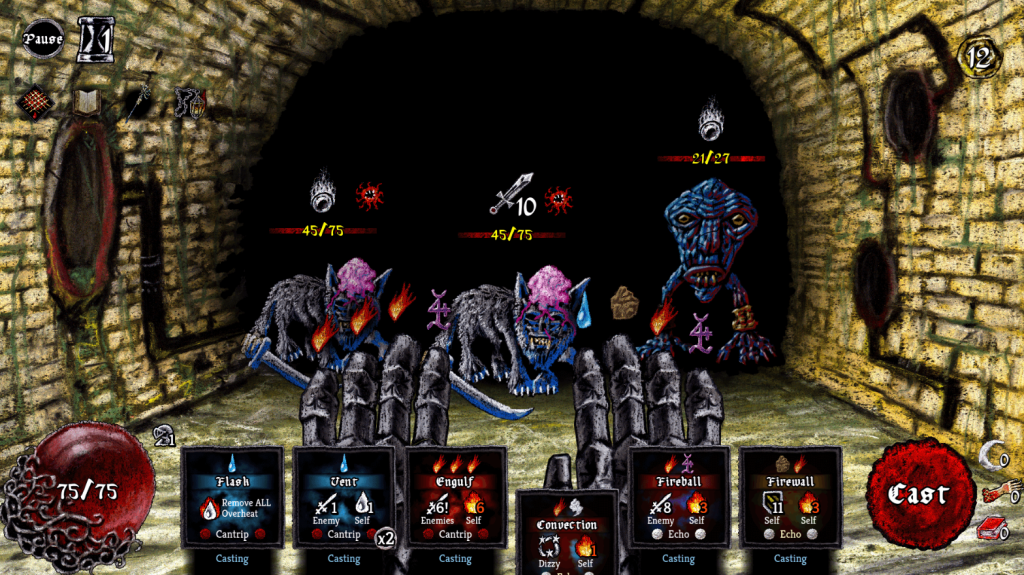
Pluto Roguelike Deckbuilder Game Guide With Finger Spell Casting and Strategy Combat

Deck building games are everywhere now. Some follow the same pattern again and again. Draw cards, play cards, defeat enemies, repeat. I have played quite a few of them and honestly many start feeling similar after some time.

Pluto tries to do something a little different. Instead of only selecting cards, players actually cast spells using finger patterns. That small change makes every turn feel more active and sometimes chaotic in a fun way.

The story is also unusual. You are not saving the world or becoming a legendary hero. You are simply a wizard trying to escape prison so you can attend your niece’s birthday party.

That idea alone made me curious about the game.

Pluto mixes roguelike elements, deck building mechanics, spell casting patterns, and tactical combat. The result is a strategy game where every run feels unpredictable.

If you want to understand the basics of deck building games, you can read about them on the deck building game explanation page.

What Pluto Game Is About

Pluto is a roguelike deckbuilder set in a dark fantasy world. Players control a wizard who was locked away for committing magical crimes.

One day an invitation arrives from his niece inviting him to her birthday party. That simple letter becomes the reason for escaping prison.

The journey is not easy though.

The wizard must travel through dangerous lands filled with monsters, haunted areas, and enemies trying to capture him again.

Each run through the game is different because of the roguelike system. Locations change. Enemies change. Card combinations change.

This keeps the experience fresh every time.

Roguelike Gameplay Explained

Roguelike games usually focus on repeated runs where players slowly learn how the system works.

Each time you start a run, the world generates new challenges.

If the player fails, the run ends. But the knowledge gained during that attempt helps in the next run.

Pluto follows this structure.

Players fight enemies, collect new cards, discover spell combinations, and attempt to survive until the end.

Runs usually last around one hour which makes the game perfect for shorter gaming sessions.

Sometimes I only have time for a quick game session before sleeping. Games with one hour runs are actually perfect for that.

The Unique Spell Casting System

The biggest feature that separates Pluto from other deckbuilders is the spell casting method.

Instead of simply selecting cards and pressing play, spells are cast using finger patterns.

Each spell contains elemental shapes or symbols.

Players must trace or combine those patterns to activate the spell.

This creates a feeling similar to drawing magical symbols.

Some spells require simple patterns. Others combine several elements.

Because spells overlap with each other, players can create unexpected results.

This system encourages experimentation.

You may discover powerful combinations simply by trying something new.

Elemental Magic and Spell Recipes

Magic in Pluto is built around elemental patterns.

These elements can interact with each other.

For example certain spell patterns may trigger fire attacks while others may create lightning or defensive barriers.

When patterns overlap, completely new effects can appear.

This system makes every combat encounter feel like a puzzle.

You are not just choosing cards. You are combining magical patterns.

Sometimes a random experiment leads to a powerful strategy.

Those moments where everything suddenly clicks are extremely satisfying.

Combat That Feels Fast and Messy

Combat in Pluto is not calm or slow.

Every turn can become chaotic.

Enemies attack quickly and players must react by casting spells with the correct patterns.

When spells connect, enemies can explode into dramatic effects.

The game does not try to look clean or peaceful.

Instead it shows intense magical combat where monsters break apart under elemental attacks.

Despite the dark theme, the game keeps a playful tone.

The goal is not saving the world. The wizard just wants to reach a family event.

Exploring a Dark Fantasy World

The world of Pluto is drawn by hand which gives the game a unique visual style.

Players travel through locations such as:

  • Cursed ruins
  • Dark forests
  • Haunted landscapes
  • Dangerous magical areas

Each area contains enemies, events, and rewards.

Because the game uses roguelike design, these locations can appear in different orders during each run.

This keeps exploration interesting.

Sometimes a path leads to a helpful reward. Other times it leads to a difficult enemy encounter.

Strange Monsters and Unusual Enemies

The enemies in Pluto are intentionally weird.

Some look frightening. Others look almost ridiculous.

Players may encounter creatures that are:

  • Twisted monsters
  • Living magical horrors
  • Strange animated objects
  • Creatures from cursed environments

Every enemy behaves differently.

Some attack aggressively. Others defend themselves or apply special effects.

Learning enemy patterns becomes important for survival.

Playable Characters and Different Spell Styles

The game includes more than eight playable characters.

Each one interacts with the spell casting system in a unique way.

Some characters may focus on elemental damage.

Others may specialize in defense, speed, or unusual spell patterns.

This variety adds replay value because each character changes the strategy.

Trying a new character often forces players to rethink their spell combinations.

Increasing Difficulty Levels

For players who enjoy difficult challenges, Pluto offers several ascending difficulty levels.

After completing the game once, players can attempt harder versions of the same adventure.

These higher levels introduce stronger enemies and more complex situations.

Difficulty progression keeps the game interesting for experienced players.

Even after mastering the basics, new challenges continue to appear.

Short Game Runs That Fit Busy Schedules

Not every player has time for long gaming sessions.

One nice thing about Pluto is that a full run usually lasts about one hour.

This makes the game perfect for quick sessions.

You can start a run, play through the adventure, and finish within a short period.

I personally enjoy games that respect limited time like that.

Sometimes it is nice to finish a full run without spending an entire evening.

The Team Behind Pluto

The game is developed by a small team of two creators.

All responsibilities are shared between them.

The visual art is created by an artist known as DITCH WITCH.

Creative consulting also involved Black Lotus Software.

Small teams often bring unique ideas because they can experiment without large studio restrictions.

Pluto System Requirements for PC

Another positive aspect of the game is the low hardware requirement.

Even older computers should be able to run the game.

Minimum System Requirements

  • Operating System Windows 10 64 bit
  • Processor Intel Core i3
  • Memory 4 GB RAM
  • Graphics integrated GPU with OpenGL 3.3 support
  • Storage 3 GB free space

If you want to check OpenGL support for graphics systems, you can read the information on the OpenGL official website.

Why Strategy Game Fans May Enjoy Pluto

Several features make Pluto interesting for strategy and roguelike fans.

  • Unique finger based spell casting
  • Deck building mechanics
  • Roguelike world generation
  • Multiple playable characters
  • Hand drawn dark fantasy environments
  • Short one hour runs

These elements combine to create a game that rewards creativity rather than memorization.

Players who enjoy discovering new strategies may find this system very satisfying.

My Personal Thoughts About Pluto

What attracted me most to Pluto is the spell casting system.

Most card games feel passive. You click a card and watch the animation.

This game seems more interactive because you actually draw the spell patterns.

That small change might make every turn feel more engaging.

I also like the simple story idea. Instead of epic hero drama, the character just wants to attend a birthday party.

Sometimes small personal goals make stories feel more relatable.

If the gameplay balance works well, Pluto could become a fun strategy game that players return to often.

Frequently Asked Questions About Pluto Game

What type of game is Pluto

Pluto is a roguelike deck building strategy game where players cast spells using finger patterns while fighting monsters.

What makes Pluto different from other deckbuilder games

The game uses a finger based spell casting system where players draw elemental patterns instead of only selecting cards.

What is the story in Pluto

The player controls a wizard who escapes prison and travels through a dangerous world in order to reach his niece’s birthday party.

How long does a typical Pluto run last

Most runs in the game last about one hour which makes it suitable for short gaming sessions.

How many characters are playable in Pluto

The game includes more than eight playable characters, each with unique interactions with the spell system.

Is Pluto a difficult game

The game includes multiple difficulty levels. Beginners can start with easier runs while experienced players can attempt harder challenges.

What platforms support Pluto

The game supports Windows, macOS, and Linux based systems through the Steam platform.

What are the system requirements for Pluto

The minimum requirements include Windows 10, an Intel Core i3 processor, 4 GB RAM, integrated graphics with OpenGL 3.3 support, and 3 GB storage.
Is Pluto focused on story or gameplay

The game focuses mainly on gameplay systems like spell casting, strategy, and roguelike runs while the story provides a simple motivation for the adventure.

Blossom The Seed of Life Mars Terraforming Survival Game Guide for PC Players

Blossom The Seed of Life Mars Terraforming Survival Game Guide for PC Players

Some games try very hard to guide players through every step. Big arrows appear on the screen. Tutorials pop up again and again. Personally I never enjoyed that too much. The games I liked the most when I was younger were the ones where I had to explore and slowly understand how things worked.

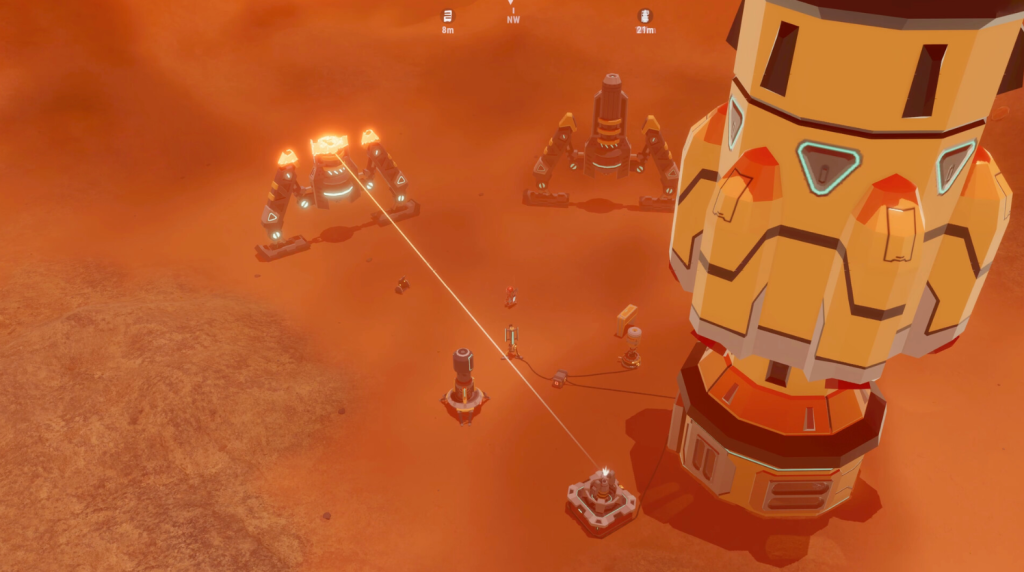
Blossom The Seed of Life feels very similar to those older experiences. It is a calm survival and exploration game where the player slowly turns a dead planet into a living world. The idea sounds simple. But the process takes patience, planning, and curiosity.

The game is created by a solo developer named Thorin, who runs Pebbledust Games. Instead of focusing on fast action or complex combat, the goal here is terraforming a barren planet and watching life slowly appear.

If you enjoy exploration, building systems, and science based gameplay, this game may feel refreshing.

You can also learn more about Mars exploration through the NASA Mars exploration program, which explains many real ideas that inspired games like this.

What Blossom The Seed of Life Game Is About

The main goal in Blossom is to transform Mars from a lifeless desert into a green planet full of water, forests, and animals.

Players control a small robot called Blossom. This machine is designed to survive harsh environments where humans cannot live. Because of this, the gameplay works differently from normal survival games.

Instead of worrying about hunger or thirst, the robot must manage electricity.

Energy becomes the most important resource. Movement, machines, tools, and exploration all require power.

From the start, the planet is dry, cold, and covered in dust. There is no oxygen. No plants. No animals.

Your job is to slowly change that.

The Planet Terraforming Process

The biggest gameplay system in Blossom is terraforming. That means changing a planet’s environment so life can exist.

This happens step by step.

First you increase atmospheric pressure. When pressure rises, ice begins forming. That ice can later melt into water.

Next the temperature must increase. Once the planet warms up, frozen areas slowly turn into liquid water.

After water appears, the next step is soil creation.

Mars dust can be converted into usable soil. Then algae can grow. After that, plants and trees become possible.

Eventually oxygen fills the air and the sky slowly changes color.

Watching this transformation might be one of the most satisfying parts of the game.

I remember playing sandbox building games before where the world changed slowly because of your actions. That feeling of seeing a barren map slowly turn into something alive always felt rewarding.

Creating Life on a Dead Planet

Once the environment becomes stable, life can finally begin.

Players can plant flowers and trees which produce oxygen. As plants spread across the planet, forests begin forming.

Later the player can introduce small creatures. Insects appear first. Birds come later. Animals eventually follow.

Over time the planet develops its own ecosystems.

This progression feels natural because every stage depends on the previous one. Without water there are no plants. Without plants there is no oxygen. Without oxygen animals cannot survive.

The game shows how fragile planetary life systems actually are.

If you want to understand real terraforming concepts you can read about them on NASA science Mars research.

Exploring the Planet Mars

Exploration is another big part of Blossom.

The planet is large and filled with interesting locations.

You can travel in different ways:

  • Walking across the surface
  • Driving rovers
  • Flying through the air

Each method allows you to reach different areas.

Some regions contain useful materials. Others hold mysterious abandoned structures.

During exploration players may discover:

  • Old research stations
  • Broken machines
  • Destroyed spacecraft
  • Orbital platforms

These locations slowly reveal the story of what happened before you arrived.

Piecing together the past becomes a small mystery inside the survival gameplay.

Playing as a Robot Changes the Survival System

Most survival games revolve around food and water.

Blossom works differently because the player controls a robot.

Electric power replaces traditional survival needs.

Everything uses energy.

  • Movement
  • Tools
  • Mining
  • Machines
  • Exploration

If the robot runs out of power, progress stops.

This makes energy management extremely important.

I actually like this idea. It keeps survival mechanics simple but still meaningful.

Instead of constantly gathering food items, players focus on building better energy systems.

Gathering Resources on Mars

Resources are needed for almost everything.

Players collect minerals, dust, ice, and other materials from the planet.

These resources can then be processed into useful items.

Refining materials allows the construction of machines, buildings, and tools.

As the game progresses, technology improves.

New blueprints unlock. Advanced equipment becomes available.

This gradual improvement keeps exploration exciting because new tools open new possibilities.

Automation Using Drones

As the base grows, managing everything manually becomes difficult.

That is where automation comes in.

Drones can help with resource gathering and system maintenance.

These small machines handle repetitive tasks while the player focuses on exploration and expansion.

Automation makes the colony feel more alive and active.

Building Bases on the Planet

Players can construct different types of structures across the planet.

Bases support survival, exploration, and terraforming operations.

Buildings can include:

  • Power generators
  • Resource processors
  • Terraforming machines
  • Storage facilities
  • Drone control systems

Unlike many survival games, the base system here is flexible.

The player is not locked to one location.

Custom Rovers and Mobile Exploration

One of the more interesting features is the rover building system.

Players can build modular vehicles and attach different parts.

Modules may include:

  • Batteries
  • Storage containers
  • Mining lasers
  • Utility equipment

Rovers can also be linked together to form convoys.

This allows players to travel long distances across the planet while collecting resources on the way.

Sometimes exploration games feel slow when moving between locations. Vehicles help solve that problem.

Mobile bases also make the game world feel much larger.

Discovering the Story of the Planet

While exploring Mars, players slowly uncover pieces of history.

Why were there old stations here.

What happened to previous explorers.

Why is the planet empty.

The game does not explain everything immediately. Instead, players discover the story through exploration.

This style of storytelling feels natural and encourages curiosity.

Blossom The Seed of Life System Requirements

Another good thing about the game is that it does not require a powerful computer.

Even basic gaming systems should run it without problems.

Minimum Requirements

  • Operating System Windows 10 64 bit
  • Processor X64 dual core CPU 2 GHz or higher
  • Memory 4 GB RAM
  • Graphics 2 GB VRAM
  • DirectX Version 11
  • Storage 3 GB free space
  • Sound card Any

Recommended Requirements

  • Operating System Windows 11 64 bit
  • Processor X64 dual core CPU 3 GHz or higher
  • Memory 8 GB RAM
  • Graphics 4 GB VRAM
  • DirectX Version 11
  • Storage 4 GB free space
  • Sound card Any

Why Exploration Game Fans May Enjoy Blossom

Blossom offers something different from many survival games.

The focus is not combat. It is growth and discovery.

Some reasons players might enjoy it include:

  • Relaxing exploration gameplay
  • Planet terraforming mechanics
  • Robot based survival system
  • Resource gathering and automation
  • Vehicle building and mobile bases
  • Slow world transformation

Watching an empty planet slowly turn green can be surprisingly satisfying.

My Personal Thoughts About the Game

Games that allow players to shape an entire world always catch my attention.

Blossom seems to follow a calm and thoughtful approach.

Instead of rushing players through missions, it encourages exploration and experimentation.

I like the idea of slowly bringing life to a silent planet. It reminds me of old sandbox games where the fun came from curiosity rather than constant action.

If the terraforming system works well, this game could become a relaxing experience that players return to again and again.

Frequently Asked Questions About Blossom The Seed of Life

What type of game is Blossom The Seed of Life

Blossom The Seed of Life is a survival exploration and terraforming game where players transform the planet Mars into a living ecosystem.

Who developed Blossom The Seed of Life

The game is created by a solo developer named Thorin who runs the studio Pebbledust Games.

What is the main goal of the game

The main goal is to terraform Mars by increasing atmospheric pressure, creating water, growing plants, and eventually supporting animal life.

Who is the main character in Blossom

The player controls a robot called Blossom that can survive extreme conditions on the planet.

How does survival work in the game

Instead of food or water, the robot relies on electricity. Managing energy is necessary for movement, tools, and machines.

Can players explore the whole planet

Yes. Players can explore Mars on foot, by rover vehicles, and through aerial travel to reach distant areas.

Does the game include base building

Yes. Players can build structures, machines, and automation systems to support terraforming and exploration.

What vehicles are available in the game

The game allows players to build modular rovers with different attachments such as batteries, storage modules, and mining tools.

What are the system requirements for Blossom The Seed of Life

The minimum requirements include Windows 10, a dual core processor, 4 GB RAM, 2 GB VRAM graphics, and around 3 GB of storage space.

Ash Warden Tower Defense Survival Guide for Fighting the Redgaze Hordes

Tower defense games always had a special place in my gaming time. I remember playing small strategy games after school where I had to protect a base while waves of enemies kept coming. When I first heard about Ash Warden, it instantly reminded me of those moments. But this game adds something more. It slowly turns the player into a powerful defender who can destroy huge enemy waves.

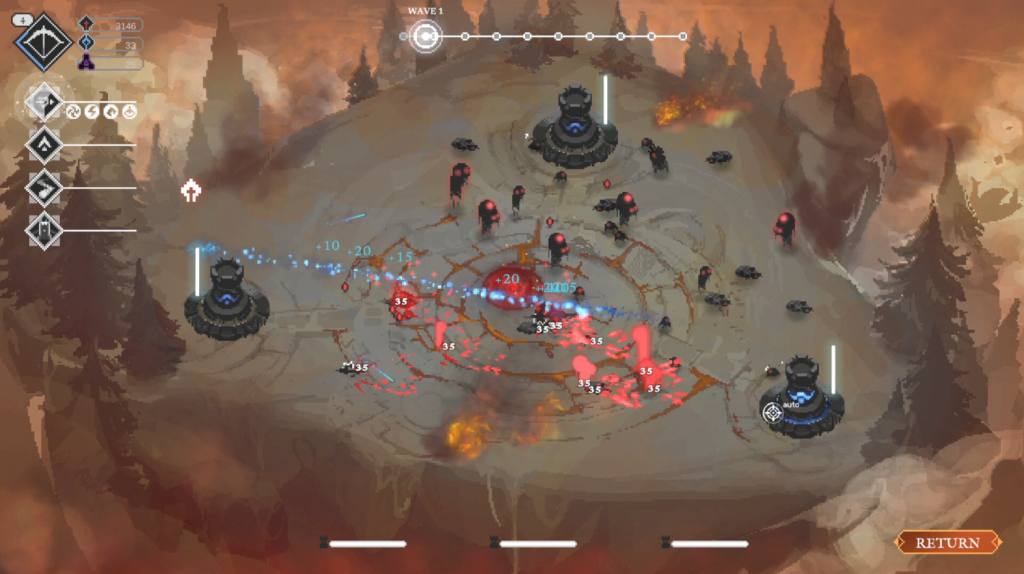
Ash Warden is an incremental tower defense game where survival is the main goal. You place towers, upgrade abilities, and defend against the dangerous Redgaze enemies. Each wave becomes harder. But at the same time, your character and towers become stronger.

The game is planned to release on 9 March 2026 and many strategy fans are already waiting for it. If you enjoy games where planning matters and every tower placement counts, this one might be worth trying.

If you want to check official information about the game platform you can visit the Steam official store.

What Ash Warden Game Is About

Ash Warden focuses on survival against endless waves of creatures called Redgaze hordes. These enemies keep attacking your defenses again and again. Your mission is simple but not easy. Protect your towers and stop enemies before they destroy everything.

Unlike many basic tower defense games, this one uses incremental progression. That means your power slowly grows as you keep playing. New abilities unlock. Towers get stronger. Your defense system evolves.

The game also includes boss enemies. These bosses appear after several waves and require stronger planning and upgraded towers to defeat.

I personally like games where the difficulty slowly increases instead of becoming impossible right away. Ash Warden seems to follow that style which makes it enjoyable for both beginners and experienced strategy players.

Ash Warden Gameplay Experience

The gameplay in Ash Warden is built around three simple ideas.

  • Defend towers
  • Upgrade abilities
  • Survive enemy waves

At first, things feel manageable. A few enemies appear. Your towers handle them easily. But after several waves the situation changes quickly.

More enemies spawn. Some move faster. Some deal heavy damage. And if even one tower gets destroyed, the match ends.

This creates a tense feeling while playing. Every upgrade decision matters.

When I played similar tower defense games before, I learned something important. If you upgrade randomly, you lose fast. But if you build a proper strategy and focus on synergy between towers, survival becomes easier.

Ash Warden follows the same concept.

Defending Against the Redgaze Hordes

The Redgaze enemies are the main threat in the game. These creatures attack in groups and try to destroy your defensive structures.

Different enemy types appear as the game progresses. Some are slow but strong. Others are quick and difficult to stop.

This forces players to adapt their strategy constantly.

For example, if fast enemies appear, you may need towers with rapid attack speed. If heavy enemies arrive, stronger damage towers become necessary.

Managing these changes is the core part of the game.

Tower Management Is the Key to Survival

One important rule in Ash Warden is simple. Protect your towers.

If even a single tower falls, the game ends. That makes tower positioning extremely important.

Good tower placement usually involves covering multiple paths and creating overlapping attack zones.

I learned this lesson years ago while playing other strategy games. If towers are placed too far apart, enemies easily break through. But if towers support each other, enemies rarely survive.

Ash Warden seems to reward players who think carefully about tower layout.

Upgrade System and Ability Growth

A big part of the game is the upgrade system.

As you defeat enemies, you collect resources from their remains. These resources allow players to unlock upgrades and abilities.

Some upgrades improve tower damage. Others increase attack speed or unlock special powers.

Over time, your character becomes extremely powerful.

This gradual growth makes the gameplay satisfying. Early waves may feel challenging. But later, after unlocking strong abilities, players can wipe out huge enemy groups.

Ability Synergies That Make You Stronger

One interesting part of Ash Warden is ability synergy.

Instead of upgrading everything randomly, players can combine upgrades to create powerful effects.

For example:

  • Attack speed upgrades combined with area damage
  • Damage boosts combined with chain attacks
  • Defensive upgrades paired with crowd control abilities

These combinations can create extremely powerful defenses.

Some players enjoy experimenting with different builds to discover the strongest strategies.

Boss Battles That Test Your Defense

Boss enemies are another important feature in Ash Warden.

These enemies appear after several waves and are much stronger than normal enemies.

Boss battles often require proper upgrades and strong tower positioning.

If the defense system is weak, bosses can destroy towers very quickly.

But defeating a boss also brings bigger rewards and helps unlock more upgrades.

Incremental Progression System

Ash Warden uses an incremental progression style.

This means players slowly grow stronger over time.

The longer you survive, the more powerful your abilities become.

This type of progression makes games very addictive. Each session feels slightly stronger than the previous one.

Many popular strategy games use this idea because it keeps players motivated.

If you want to understand more about how incremental games work you can read information on incremental game mechanics.

Ash Warden Graphics and Style

From early previews, Ash Warden appears to use a clean and simple visual style.

The focus is clearly on gameplay rather than heavy graphics.

That is actually a good thing for tower defense games. Clear visuals make it easier to track enemies, towers, and abilities during intense waves.

Simple design also allows the game to run smoothly on most computers.

Languages Supported in Ash Warden

The game includes several interface language options which makes it accessible for many players.

  • English
  • German
  • Vietnamese
  • Spanish
  • Portuguese Brazil

This is helpful because strategy games often require reading ability descriptions and upgrade details.

Ash Warden System Requirements

The good news is that Ash Warden does not require a powerful gaming computer.

Minimum requirements are quite reasonable.

Minimum Requirements

  • Operating System Windows 10 64 bit
  • Processor 2 GHz
  • Memory 4 GB RAM
  • Graphics Vulkan 1.0 compatible GPU
  • Storage 2 GB free space

Most modern PCs should run the game without any problem.

If you want to check hardware compatibility standards you can also visit the Microsoft Windows official page.

Why Tower Defense Fans May Enjoy Ash Warden

There are several reasons why strategy fans might like this game.

  • Endless enemy waves
  • Incremental power growth
  • Multiple upgrade combinations
  • Boss battles
  • Simple system requirements

These features make the gameplay feel rewarding without being overly complicated.

For players who enjoy planning defenses and watching their strategy slowly become unstoppable, Ash Warden looks promising.

My Personal Thoughts About Ash Warden

Personally I always enjoy tower defense games that mix strategy with progression. When you start weak and slowly become stronger, every upgrade feels meaningful.

Ash Warden seems to follow that same formula.

The idea of collecting enemy remains, upgrading towers, and fighting bosses sounds fun. It reminds me of older strategy games I used to play late at night while trying to beat one more wave.

If the gameplay balance is done well, this game could easily become one of those relaxing but addictive strategy games.

Frequently Asked Questions About Ash Warden

What type of game is Ash Warden

Ash Warden is an incremental tower defense game where players defend towers against enemy waves called Redgaze hordes. The gameplay focuses on strategy, upgrades, and survival.

When will Ash Warden release

The planned release date for Ash Warden is 9 March 2026.

Is Ash Warden available on Steam

The game is expected to appear on the Steam platform. Players can add it to their wishlist to receive notifications when it becomes available.

What are Redgaze enemies in Ash Warden

Redgaze are the hostile creatures that attack your towers during each wave. They appear in increasing numbers and become stronger as the game progresses.

Does Ash Warden include boss battles

Yes. The game includes powerful boss enemies that appear after certain waves and require stronger defenses to defeat.

What are the system requirements for Ash Warden

The minimum requirements include Windows 10, a 2 GHz processor, 4 GB RAM, Vulkan compatible graphics, and 2 GB storage space.

Can beginners play Ash Warden

Yes. Since the game uses incremental progression, players slowly unlock stronger abilities which helps beginners learn the gameplay over time.

Does Ash Warden support multiple languages

Yes. The game supports English, German, Vietnamese, Spanish, and Portuguese interface options.

What makes Ash Warden different from other tower defense games

The incremental upgrade system and powerful ability combinations make the gameplay feel rewarding as players grow stronger while facing harder enemy waves.

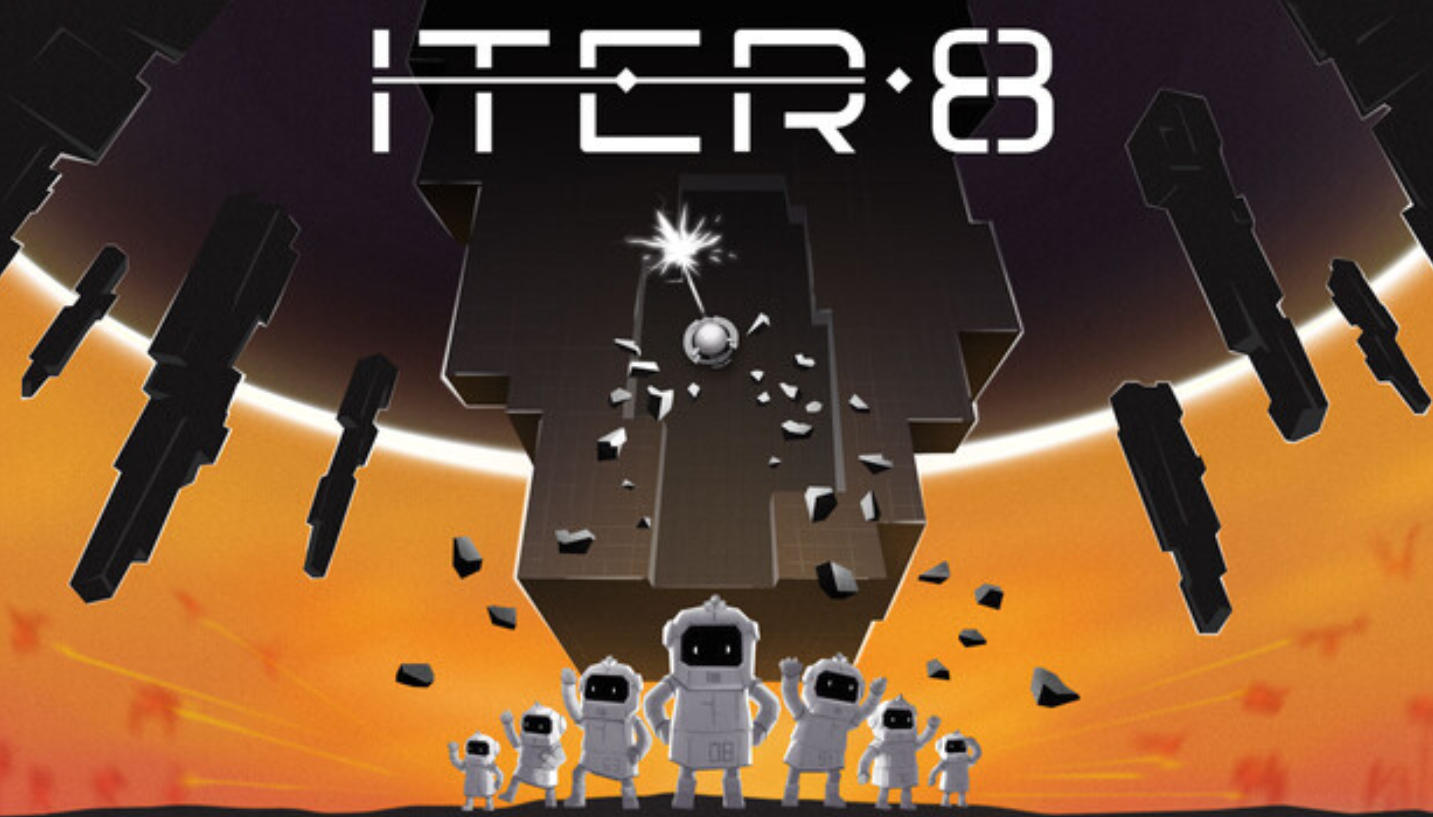
Working the Deep Pillars in ITER 8 Mining Defense Survival Game

I have played many mining and survival games over the years, but ITER 8 feels a bit different. The game mixes resource mining with defense combat in a strange corporate style setting. Instead of being a hero or explorer, you are just another worker sent to drill massive pillars around a distant world. Your job sounds simple at first. Drill resources. Protect the company equipment. Stay alive.

But after playing for a while, I realized survival is not that easy.

ITER Corporation sends you to dangerous locations where every drilling operation attracts hostile threats. The deeper you mine, the more enemies appear. If your character dies, the company simply replaces you with the next operator. It sounds dark, but the game presents it with humor. I actually laughed when I saw the message welcoming my replacement worker after my first failure.

About ITER 8

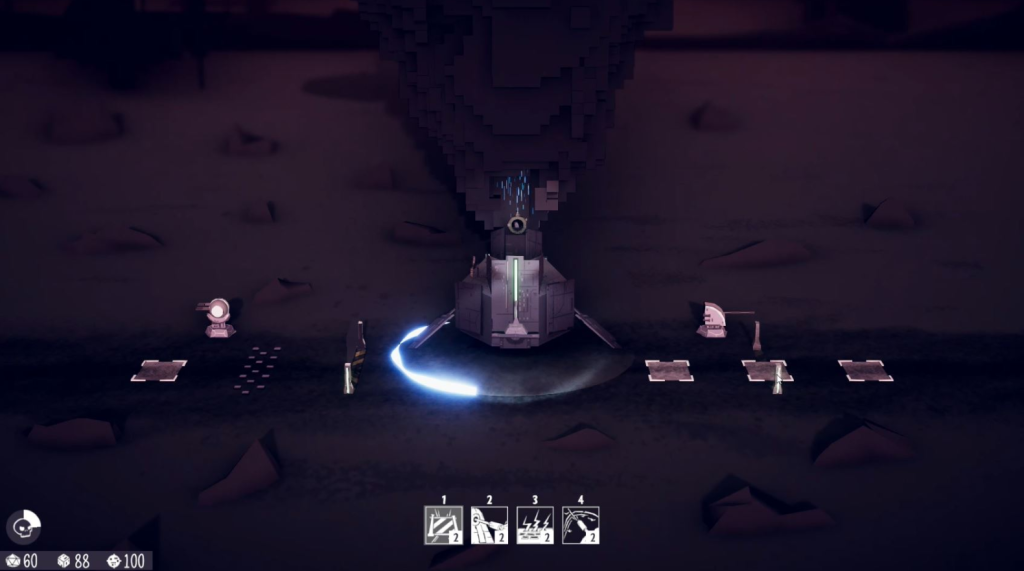
ITER 8 is a mining and defense game where players take control of Operator 8. The main task is to drill giant pillars that surround the planet. These structures contain valuable minerals that the company wants to collect.

The job might sound like normal mining work, but the environment is full of danger. While drilling resources, you must defend your equipment from waves of enemies that attack from the surface.

The gameplay loop is simple but engaging.

Mine resources. Build defenses. Survive attacks. Upgrade equipment. Repeat.

Every session becomes a small survival story. Some runs go smoothly. Others end quickly when enemies overwhelm your defenses.

Mining System and Resource Extraction

The core activity in ITER 8 is mining the pillars. These giant structures surround the world and hold many types of minerals.

Players drill into the pillar walls to collect valuable materials. These resources are needed for upgrades and building new defensive systems.

I found mining surprisingly relaxing during the early stages. Breaking through rock layers and watching minerals appear feels satisfying.

But the deeper you go, the more risks appear.

Some layers hide rare minerals that are worth collecting. Other sections trigger enemy attacks or environmental hazards.

That balance between reward and danger keeps the mining system interesting.

Types of Mining Resources

  • Common minerals used for basic upgrades
  • Rare materials needed for advanced turret systems
  • Energy resources that power drilling equipment
  • Experimental materials used for research upgrades

During one run I focused only on rare minerals and ignored basic ones. That mistake left me unable to repair my turret later. After that I learned to collect everything carefully.

Base Defense and Turret Systems

Mining alone will not keep you alive. Enemies regularly attack the surface area where your equipment operates.

To survive these attacks, players control a gun tower and build automated defense turrets.

The gun tower acts as your main weapon system. You manually aim and fire while automated turrets help defend key areas.

I enjoy this part of the game because it requires fast reactions and planning. If you place turrets poorly, enemies break through quickly.

Good turret placement can stop entire waves before they reach your equipment.

Defense Strategies That Work Well

  • Place turrets near mining entrances
  • Create crossfire zones where multiple turrets overlap
  • Upgrade firing speed before increasing turret count
  • Use the gun tower to target stronger enemies first

One time I built too many turrets without upgrading them. The enemies walked right through the defense line. That run ended quickly.

Enemy Waves and Surface Threats

The surface of the planet is not empty. Strange hostile creatures appear during drilling operations.

Some enemies rush directly toward your equipment. Others attack from distance.

Later waves include stronger units that require better defenses and faster reaction time.

This constant pressure makes mining feel risky.

You must decide whether to keep drilling for resources or return to the surface to defend your base.

Balancing these tasks is one of the most interesting parts of the game.

Upgrade System and Equipment Growth

ITER Corporation encourages improvement. Players can upgrade many parts of their equipment.

Mining tools become faster and stronger. Turrets deal more damage. Defensive systems become more efficient.

Upgrades use the minerals collected from pillars.

Choosing the right upgrade path can change how each run plays.

Common Upgrade Paths

  • Mining speed upgrades for faster resource collection
  • Weapon upgrades for stronger turret damage
  • Defense upgrades that improve base durability
  • Experimental upgrades created through research materials

In my early play sessions I focused on weapons first. Later I realized faster mining gave me more resources overall. That changed how I approach the game.

Operator Replacement System

One unusual part of ITER 8 is how the game handles player death.

If your operator fails during a mission, the company sends another one to replace them.

The new operator continues the job using the progress already made.

This creates a strange but interesting loop where each character becomes part of a long company operation.

It also removes the frustration of losing everything after failure.

Game Atmosphere and Humor

Despite the dangerous setting, the game has a humorous tone.

The company messages often sound overly positive even when the situation is terrible.

For example, when an operator fails, the company thanks them for their service and immediately announces a replacement.

This corporate humor adds personality to the game.

It reminds players that they are just another worker in a huge industrial machine.

Mining and Defense Strategy Tips

  • Collect both common and rare minerals during mining runs
  • Upgrade mining tools early for faster resource gathering
  • Place turrets carefully to protect weak points
  • Return to the surface quickly when enemy waves begin
  • Focus fire on strong enemies before they reach equipment

Using these strategies improved my survival rate a lot. My early runs lasted only a few minutes, but later I could survive long waves without losing equipment.

System Requirements

Minimum Requirements

  • Operating System: Windows 10 64 bit
  • Processor: Intel Core i5 7500 or AMD Ryzen 3 1200
  • Memory: 8 GB RAM
  • Graphics: Nvidia GeForce GT 1030 or AMD Radeon RX 550 X
  • DirectX: Version 11
  • Storage: 2 GB available space

Recommended Requirements

  • Operating System: Windows 11 64 bit
  • Processor: Intel Core i5 8400 or AMD Ryzen 5 2600
  • Memory: 8 GB RAM
  • Graphics: Nvidia GeForce GTX 1060 6GB or AMD Radeon RX 580
  • DirectX: Version 11
  • Storage: 2 GB available space

Official Sources

You can learn more about the game and developer updates through the Steam platform where developers publish announcements and release information. Information about PC hardware requirements can also be found on the Microsoft Windows official website.

FAQ About ITER 8

What type of game is ITER 8

ITER 8 is a mining and defense survival game where players drill large pillars, collect resources, and defend equipment from enemy attacks.

How does mining work in ITER 8

Players drill into massive pillars to collect minerals. These materials are used for upgrades, turret construction, and equipment improvements.

Can players build defensive structures

Yes. The game allows players to control a gun tower and build automated turrets that help defend against enemy waves.

What happens if the player dies

When an operator fails during a mission, the company replaces them with another operator who continues the work.

Are upgrades important in ITER 8

Yes. Upgrades improve mining speed, turret damage, and base defense. Without upgrades it becomes difficult to survive later enemy waves.

Does the game focus more on mining or combat

The gameplay combines both. Mining provides resources while combat is required to defend the operation.

Is ITER 8 suitable for casual players

The game is easy to understand but survival becomes challenging as enemy waves grow stronger.

Final Thoughts

ITER 8 creates an interesting mix of mining and base defense gameplay. The loop of drilling pillars, collecting minerals, building turrets, and surviving enemy attacks keeps each run engaging.

I enjoyed the balance between relaxing mining moments and sudden combat pressure.

If you like resource management games, defense systems, and survival challenges, this game is worth exploring.

Just remember that the company always needs another operator.

The Rookie Detective Case Files in Connected Clue Mystery Adventure

I always liked detective stories. Old mystery books, crime dramas, and those classic investigation games where every clue matters. When I tried Connected Clue for the first time, it instantly reminded me of those 19th century detective novels. The slow investigation, the quiet crime scenes, and the process of linking clues together gave me that same feeling of solving a puzzle piece by piece.

Connected Clue is an isometric mystery adventure game where every case depends on your reasoning. You play as Diana, a rookie detective who must investigate crimes, gather evidence, question suspects, and uncover the truth. At first the cases look simple. But once you start digging deeper, things become more complicated.

About Connected Clue

The story begins with a shocking bank robbery. A group of criminals break into the vault and escape with a large amount of cash and a priceless treasure. The city is in panic and the police struggle to understand what really happened.

This is where Diana enters the investigation.

As a new detective, she must study the crime scene, question witnesses, and follow every lead. The interesting part is that the game never forces the solution. Your own reasoning decides what happened.

I remember one case where I thought a suspect was clearly guilty. But after checking the clues again on the detective wall, I realized the timeline did not match. That moment felt really satisfying because the game rewards careful observation.

Crime Scene Investigation and Evidence Collection

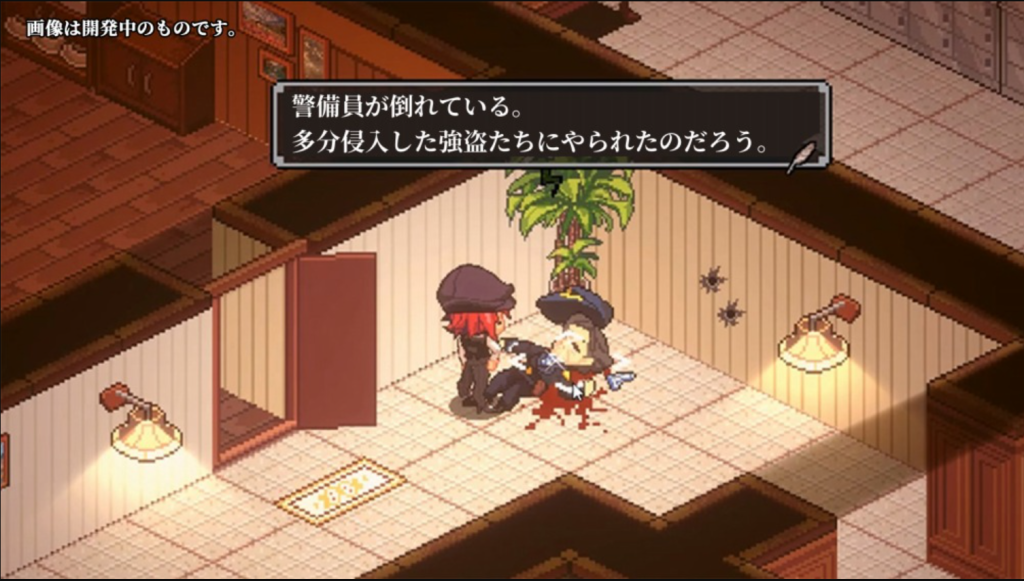
The main part of Connected Clue is investigating crime scenes. Every location contains small details that can easily be missed if you rush. Sometimes a small scratch on a table or a forgotten object becomes the key to solving the entire case.

The game gives you several detective tools to examine the environment.

Magnifying Glass Investigation

The magnifying glass helps you inspect small details closely. You can study objects, footprints, or unusual marks that normal observation might miss.

Fingerprint Analysis

You can collect fingerprints using charcoal powder. I actually enjoyed this feature because it feels like real detective work. Finding matching prints later during interrogation can expose lies very quickly.

Field Investigation

Some clues require visiting other locations in the city. Talking to witnesses, exploring side streets, and checking nearby buildings helps connect testimonies with physical evidence.

Sometimes I spent extra time exploring places that were not even part of the main mission, and surprisingly I discovered hidden clues that helped later.

Code Breaking and Puzzle Solving

Not every mystery in Connected Clue is solved through physical evidence. Some clues are hidden in coded messages.

You might find notes with strange symbols or locked documents that require solving a cipher. Decoding these messages can reveal hidden locations or secret meetings.

I personally enjoy these puzzles because they break the normal investigation routine. Instead of searching the environment, you must analyze patterns and think logically.

Sometimes the solution appears obvious only after you step away and look again.

Interrogation and Suspect Questioning

After gathering enough clues, the next step is interrogation. Suspects rarely tell the full truth. Some will lie, others will avoid answering, and a few will try to mislead the investigation.

This is where your collected evidence becomes important.

You can present evidence during questioning to challenge statements. If the suspect says something that contradicts the facts, you can expose the lie immediately.

I once accused the wrong person too early because I misunderstood a witness statement. That mistake forced me to review all clues again, which actually made the final solution more satisfying.

Action Elements and Stealth Gameplay

Even though Connected Clue is mostly about investigation, danger is always nearby.

Crime scenes sometimes involve criminals who do not want to be caught.

Stealth and Disguises

You can change outfits to avoid attention. Disguises allow you to enter suspicious areas without raising alarms.

This mechanic becomes useful when following suspects who might recognize you.

Following Suspects

Tail missions require patience. You must stay close enough to observe but far enough to avoid being noticed.

I failed my first tail mission because I walked too fast and the suspect turned around. After that I learned to move slowly and use cover.

Combat Situations

Sometimes criminals resist arrest. In these moments you must fight back and subdue them.

Combat is simple but it adds tension during investigations. It reminds you that detective work can be dangerous.

The Detective Wall System

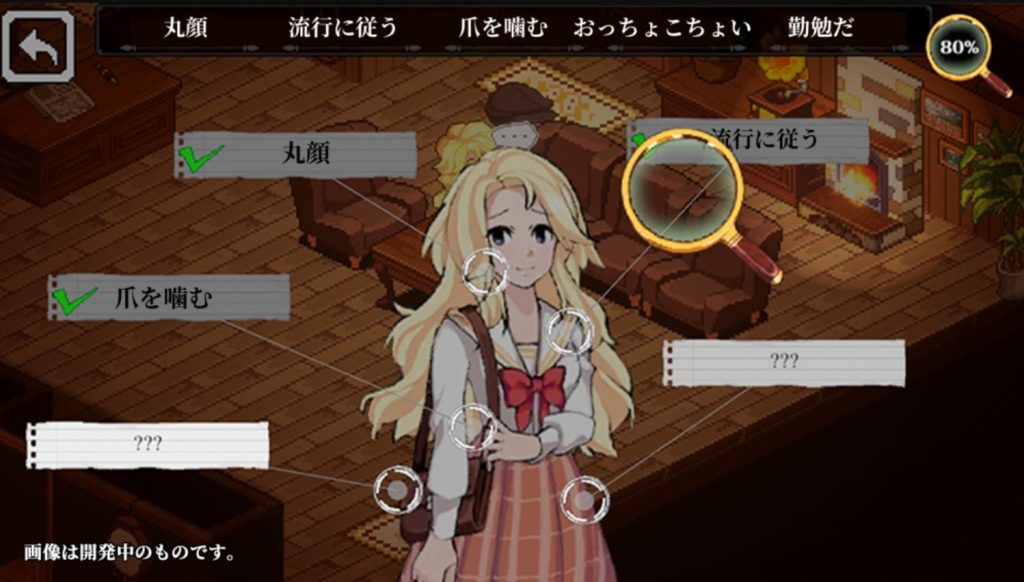
One of my favorite features in Connected Clue is the Detective Wall in Diana’s office.

Every piece of evidence you collect can be placed on the wall. Photos, witness statements, fingerprints, weapons, and documents are all connected with threads.

This board helps you visualize the entire case.

By linking clues together you can reconstruct the sequence of events. Sometimes just moving evidence around reveals connections that were not obvious before.

It really feels like building a crime investigation step by step.

Reconstructing the Case

When enough clues are gathered, you must reconstruct the entire crime.

You identify the victim, the suspect, the weapon used, and the timeline of events. Then you confront all suspects and expose contradictions in their statements.

Pointing out the true culprit is always a tense moment.

If your reasoning is correct, the case is solved and justice is served.

If not, you may have to review the evidence again.

Accessibility Features

Connected Clue includes several accessibility options to make the game comfortable for all players.

Audio Support

Some puzzles rely on sound signals. The game adds visual indicators for these sounds so players do not miss important clues.

Color Adjustment

Brightness and color settings can be adjusted. Color labels also help identify puzzle elements clearly.

This small feature actually helped me during one puzzle that relied on color differences.

Story Atmosphere and Setting

The game strongly captures the mood of 19th century detective stories.

Dim streets, quiet offices, suspicious witnesses, and detailed crime scenes create a serious investigative atmosphere.

It feels like stepping into an old mystery novel.

Players who enjoy detective fiction will probably appreciate this style.

System Requirements

Minimum Requirements

  • Operating System: Windows 10
  • Processor: 2.3 GHz Intel Core 2 Duo or better
  • Memory: 8 GB RAM
  • Graphics: DirectX 9 compatible
  • DirectX: Version 10
  • Storage: 500 MB available space

Official Information

For official updates and release information, you can visit the Steam platform where the developers publish game announcements.

FAQ About Connected Clue

What type of game is Connected Clue

Connected Clue is a detective mystery adventure game where players investigate crimes, gather evidence, question suspects, and solve cases through reasoning.

Who is the main character in Connected Clue

The main character is Diana, a rookie detective who investigates complex crimes across the city.

How does the evidence system work

Players explore crime scenes using tools like magnifying glasses and fingerprint powder. Evidence is then organized on the detective wall to reconstruct events.

Is Connected Clue focused only on puzzles

No. While puzzles and deduction are the main focus, the game also includes stealth, suspect tracking, disguises, and occasional combat situations.

What makes the Detective Wall important

The detective wall allows players to connect clues, witness statements, and evidence. This system helps reconstruct the timeline of the crime and identify the real suspect.

Are there different types of mysteries in the game

Yes. Players solve robbery cases, suspicious disappearances, coded messages, and hidden conspiracies throughout the story.

Is Connected Clue suitable for players who like detective stories

Yes. The game is inspired by classic detective novels and focuses heavily on reasoning, investigation, and logical deduction.

Does the game support content creators

Yes. The developers allow players and organizations to upload gameplay videos and stream the game as long as spoiler warnings and proper links are included.

Final Verdict

Connected Clue surprised me more than I expected. At first, it looked like a simple detective game, but the deeper investigation mechanics made it really engaging. Solving a mystery using logic instead of just following markers feels rewarding.

If you enjoy solving crimes, studying clues, and connecting evidence to reveal the truth, this game is worth trying.

Every case becomes a puzzle, and every puzzle leads closer to the truth.

Surviving the Chaos in Warlords Battleground: Extraction

Warlords Battleground: Extraction is one of those games that grabbed me from the first moment I saw the pixel map. I didn’t expect to feel such tension while managing my character’s every step. You’re dropped into chaotic warzones where every move counts. One wrong turn and all your loot could be lost. Personally, I love sneaking into enemy territory, grabbing rare items, and racing against the clock to extract safely. The thrill of that moment is hard to describe—it’s like your heart is in the game as much as your hands.

About the Game

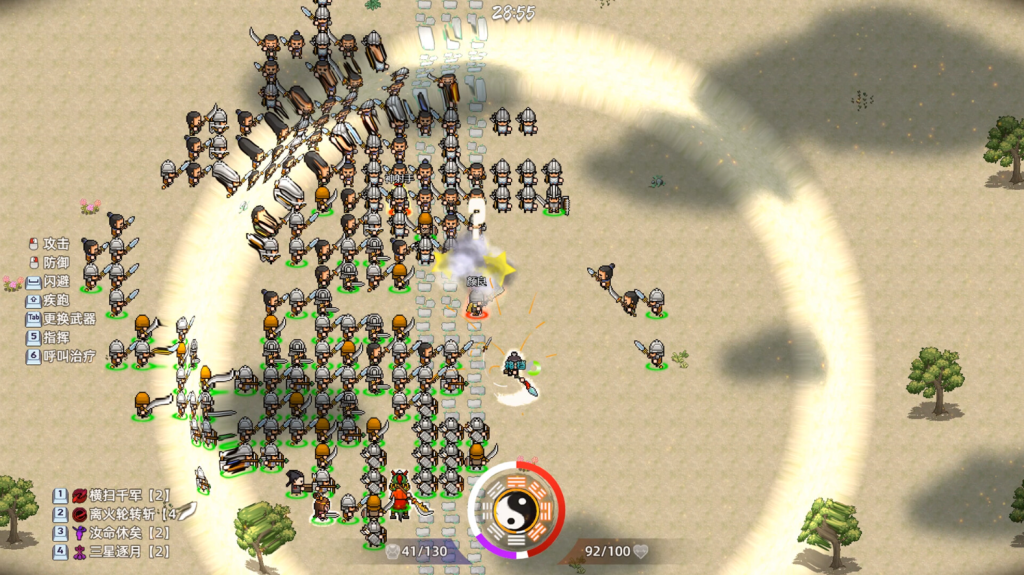
The game puts you in a loop of search, combat, and extraction. You explore thirteen provinces, each with shifting terrain and warring factions. You can scavenge for resources, fight enemies, and escape when the timing feels right. Every mission is different because the map, enemies, and items can change each time. I’ve found myself making a completely different plan just to survive when a new faction shows up unexpectedly. It’s not just about fighting, it’s about reading the battlefield and betting on your instincts.

Gameplay Mechanics

Combat in Warlords Battleground: Extraction is fast and strategic. Skirmishes test your reflexes while tactical decisions affect outcomes. You’ll face everything from regular soldiers to generals, ambushes, and final stand scenarios. I remember one mission where I had to hold a narrow bridge against waves of enemies while keeping an eye on extraction timing. Surviving that fight felt like a personal victory.

Scavenging and Inventory Strategy

Each item you find could change the course of your mission. You have limited backpack space, so decisions matter. Do you keep the healing potion or the extra ammo? Do you risk grabbing rare loot or prioritize extraction speed? Personally, I tend to leave behind items I can craft later, focusing on what helps me survive the next encounter. It’s all about making smart choices under pressure.

Character Growth

You can fully customize your combat style and character growth. Each decision shapes your gameplay experience. I experimented with ranged skills first, but found mixing melee and mobility gave me more options during extraction runs. Every player will find a style that fits them, and part of the fun is experimenting until you discover what works best for you.

Map and Provinces

The pixel map is inspired by Mount & Blade, and the thirteen provinces are full of surprises. Terrain changes and faction locations force you to adapt. I’ve played runs where I had to pivot my route completely because a faction took over a key zone. Survival isn’t just about combat—it’s about strategy and planning. Exploring ruins, avoiding ambushes, and discovering hidden treasure makes the game feel alive and unpredictable.

Extraction and Risk Management

Extraction is the heart of the game. It’s the moment where all your planning and fighting either pays off or fails. Each successful extraction feels amazing. I remember a run where I had barely enough space in my backpack and had to decide which valuable items to drop. The adrenaline rush and tension make each run memorable. It’s not just about combat skill; timing and decision-making are critical.

Dynamic Combat and Enemy Types

The game throws a wide variety of enemies at you. Soldiers, snipers, generals, and ambush squads keep you on your toes. Terrain adds another layer of challenge, and you must constantly adapt. One of my favorite encounters involved flanking a general while avoiding a sniper overwatch. The game rewards creativity and patience. Simply charging in rarely works.

Tips for Combat Success

  • Plan your entry and exit points for every province.
  • Prioritize enemies that threaten your extraction route.
  • Keep an eye on terrain advantages—high ground and cover make a big difference.
  • Use your gear strategically and adapt skills for each encounter.

AI and Historical Integration

The developers included AI-generated content to restore historical illustrations and artifacts. Some NPC conversations are AI-driven as well. I found it really adds depth, especially when wandering through ruins or interacting with minor factions. It makes the world feel like a real place, not just a battleground.

Languages and Accessibility

The game supports multiple languages: English, Simplified Chinese, Traditional Chinese, Japanese, and Korean. Subtitles are included for most languages, and the full audio is available in English and Simplified Chinese. Playing in my native English while experimenting with the Japanese audio gave me a fun perspective on the story and atmosphere.

System Requirements

Minimum

  • 64-bit processor and operating system
  • OS: Windows 10
  • Memory: 8 GB RAM
  • Additional Notes: If you experience stutter, set Game.exe to high-performance mode in your GPU settings.

Recommended

  • 64-bit processor and operating system
  • OS: Windows 10
  • Memory: 16 GB RAM

FAQ – Warlords Battleground: Extraction

How do I survive extraction runs?

Plan your route carefully, know enemy positions, and decide which loot is essential. I usually scout the area first and leave behind less important items if space is tight. Timing your extraction is everything.

Which combat style works best?

You can experiment with melee, ranged, or hybrid approaches. I found hybrid builds flexible because you can fight from a distance when overwhelmed and close in when enemies are scattered.

How can I manage inventory efficiently?

Prioritize items that give survival advantage: healing, ammo, and rare loot. Use crafting materials wisely and leave non-essential items for future runs. I often plan inventory before entering a high-risk zone.

What makes the thirteen provinces unique?

Each province has dynamic terrain, faction conflicts, and random loot events. Some zones are more dangerous but richer in rewards. Exploring all provinces is worth it, and I always try new routes to discover hidden treasures.

Is this game suitable for casual players?

Yes, but it rewards planning and strategy. Casual runs can be fun, but mastering extraction timing and combat mechanics makes the experience much more exciting. I started casually but soon found myself analyzing enemy patterns and routes for maximum success.

Does AI-generated content affect gameplay?

The AI is mainly for restoring historical visuals and some NPC interactions. It does not replace core gameplay but adds depth. I found it enhances immersion when exploring ruins or engaging with minor characters.

Tips for New Players

  • Start with safer provinces to learn enemy patterns.
  • Experiment with different combat and extraction strategies.
  • Focus on upgrading essential skills first.
  • Pay attention to AI hints in NPC dialogue—they can help with hidden loot.
  • Keep track of extraction routes and loot priorities to avoid unnecessary risk.

For official updates and news, check the Warlords Battleground: Extraction Steam page.

Personal Experience

I’ve spent hours trying different strategies, and each run feels unique. One day, I managed to extract all high-value items from a heavily guarded province while barely taking damage. Another run, I got overwhelmed and barely made it out with a fraction of loot. That unpredictability is what keeps me coming back. The combination of combat, resource management, and tactical choices makes this game stand out from other action-adventure indie titles.

Semantic SEO Clusters for Multiple Queries

  • Best combat strategies in Warlords Battleground: Extraction
  • How to farm rare loot and materials efficiently
  • Extraction route planning for beginners and pros
  • Hybrid vs melee combat builds analysis
  • Province exploration tips and dynamic terrain guide
  • AI-generated historical content explained
  • Inventory management for maximum survival
  • Tips on upgrading skills and crafting materials
  • Multi-language accessibility guide
  • Casual vs hardcore gameplay strategies

My Journey Building a Monster Empire in Kaiju Cracking Corporation

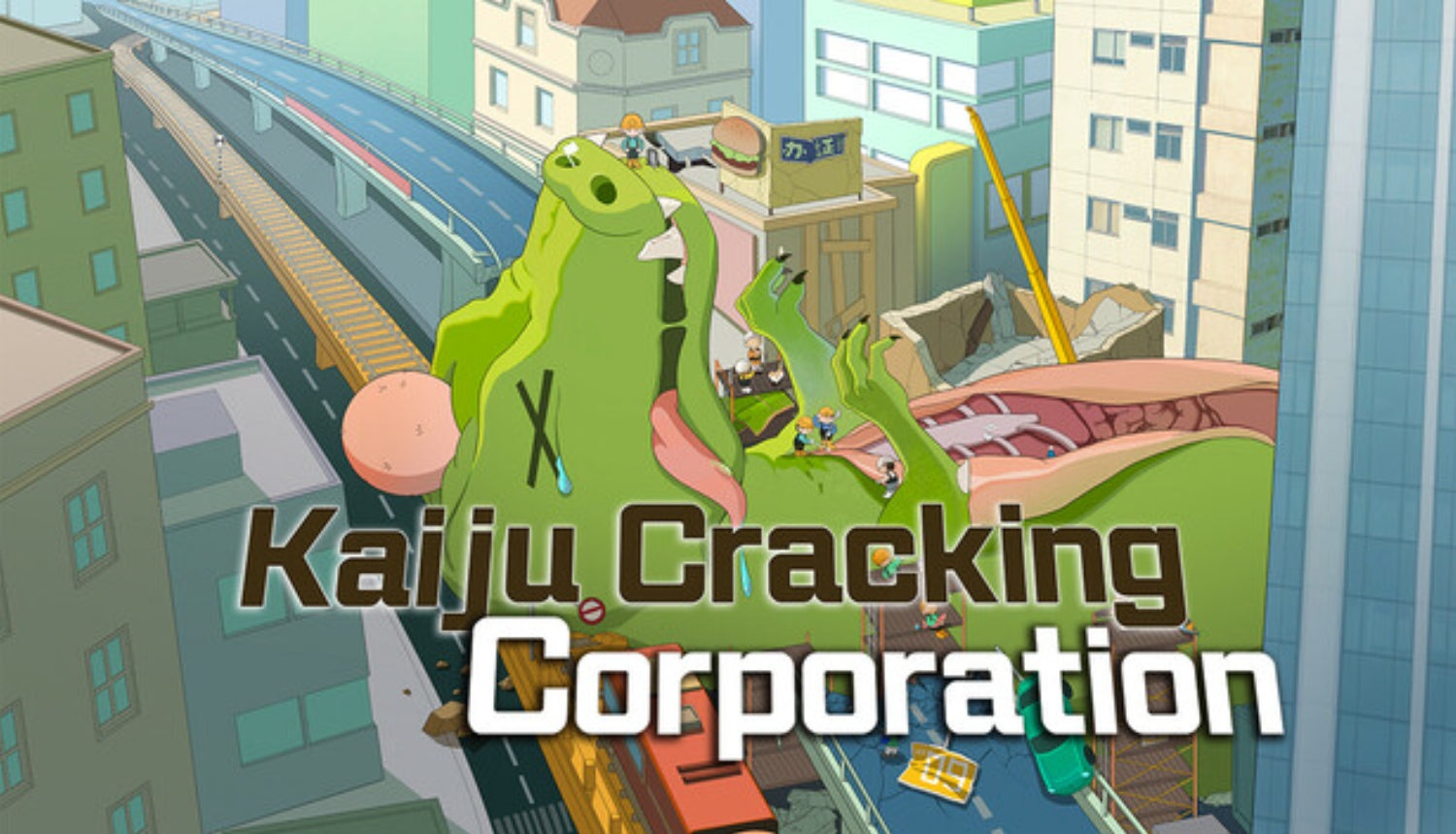
Kaiju Cracking Corporation is one of those games that surprised me. I thought it would just be another monster game, but running a full empire of kaiju disposal is actually super satisfying. You play as the CEO, leading a team to fight monsters, dismantle them for resources, and grow your business. I usually spend my mornings checking which kaiju we defeated and planning my next moves while my mecha handles the heavy lifting in the city.

About the Game

In a world full of giant monsters, your company stands out. After defeating a kaiju, you organize your team to dismantle them professionally. There are 7 types of kaiju, 5 main story scenes, and 20 extra scenarios. Every monster gives materials that are crucial for upgrades and expanding your empire. I noticed that focusing on rare resources early makes later operations way easier.

Mecha Customization and Combat

The mecha system is the real heart of the game. You can design your robot with 17 head types, 17 arms, 19 torsos, and 15 legs. You also assign skills to each part. After battles, upgrade and maintain your mecha in the factory. I like combining fast legs with heavy arms for a balance of speed and power. Each city battle feels intense and seeing my custom mecha smash through kaiju is oddly satisfying.

Best Mecha Builds

  • Mix mobility and strength for versatile performance.
  • Focus on skill sets that complement your combat strategy.
  • Upgrade parts that match the kaiju you are facing first.
  • Maintain your mecha after each fight to avoid performance drops.

Kaiju Battles and Dismantling

When more dangerous monsters appear, you deploy your mecha to city scenes. There are 20 destructible locations for epic battles. After fighting, you manage dismantling and cleanup. The fight-dismantle-manage loop is what makes this game feel like a real monster business. I always review post-battle stats to refine strategies for tougher kaiju.

Kaiju Farming Strategies

  • Prioritize high-level story scenarios for rare materials.
  • Assign skilled employees to dismantling tasks to maximize output.
  • Rotate mechas to match kaiju weaknesses for faster battles.
  • Keep track of which kaiju drop specific materials for efficient farming.

Team Management and Social Interactions

You can hire up to 24 employees, each with their own skills. Smart allocation boosts efficiency, and interacting with staff at the bar at night improves morale and trust. I usually check in on my key operators first, because happy employees are faster at dismantling and battle support. Employee relations may seem small, but it actually changes operational efficiency.

Market, Restaurant, and Economic Strategy

The game’s dynamic market lets you buy and sell materials. Prices fluctuate based on events and in-game news. You can even influence global material prices by running your restaurant and serving kaiju dishes. I spend time adjusting menus and watching market trends. Cross-industry synergy between combat, restaurant, and exhibition adds a deep strategy layer to the empire-building experience.

Restaurant and Exhibition Tips

  • Turn monster remains into specimens and build themed exhibition halls.
  • Plan visitor paths to maximize ticket revenue.
  • Use monster materials to craft signature dishes and improve quality through mini-games.
  • Happy visitors and popular dishes influence material prices in the market.

System Requirements

Minimum

  • OS: Windows 10
  • Processor: Intel Core i5-10400 / AMD Ryzen 5 2600
  • Memory: 16 GB RAM
  • Storage: 5 GB available space

FAQ – Kaiju Cracking Corporation

How can I farm rare materials efficiently?

Focus on higher-level story scenarios and extra missions. Use skilled employees for dismantling and rotate your mechas according to kaiju weaknesses. Tracking which kaiju drop what helps a lot. Personally, I keep a spreadsheet of material sources.

Which mecha build works best for tough kaiju?

Balance mobility and power. Fast legs with heavy arms and reinforced torsos give both attack and defense. Assign complementary skills for maximum effect. I also upgrade key parts after every battle to stay competitive.

How do I manage employees effectively?

Hire based on their skill set and assign them to tasks where they are most efficient. Nighttime interactions at the bar increase trust and morale, which improves overall productivity. Happy staff means faster dismantling and smoother operations.

Can I influence the in-game economy?

Yes, trading materials at the right time and running a restaurant with popular dishes can shift market prices. Cross-industry management between combat, restaurant, and exhibitions lets you control more than just kaiju battles.

Is the game more than just fighting monsters?

Definitely. Kaiju Cracking Corporation combines combat, resource management, employee relations, economic strategy, and empire-building. Planning exhibitions, menus, and employee interactions is just as fun as fighting monsters. For official updates, check the Kaiju Cracking Corporation Steam page.

Any tips for beginners?

Start by focusing on story missions to collect essential materials. Customize your mecha early to handle stronger kaiju. Pay attention to employee assignments and don’t ignore bar interactions. Balancing combat, economy, and staff management is key to building a strong empire.

Desktop Raid Game Review – Idle RPG Fun on Your Screen

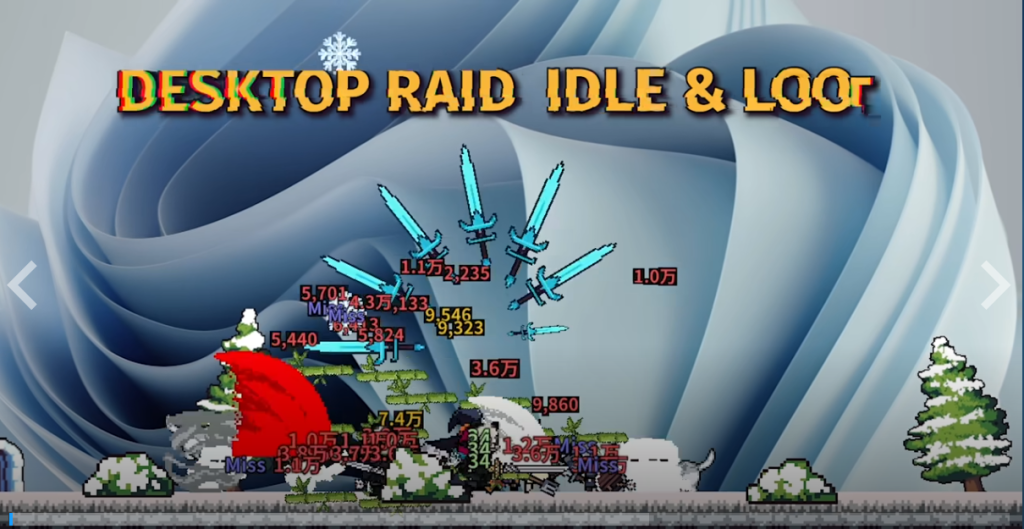
Desktop Raid is one of those games I didn’t expect to get hooked on, but honestly, it’s addictive in a relaxed way. You just put it in a corner of your desktop, and your heroes start fighting monsters and grabbing loot on their own. You don’t need to click anything or pause your work, it just keeps running. I love checking in during study breaks to see what treasures I got.

About the Game

This idle RPG is perfect if you don’t want the usual grind. No endless map runs, no constant mob killing, no spam clicking. You can just let it run and still level up fast. Monsters get stronger as you go, so the challenge keeps up. Gear drops, stats rise, and finding rare loot is satisfying. You can even chase god-tier items without doing much.

Hero Classes and Builds

The game has lots of classes like Warrior, Mage, Assassin, Summoner, Tomb Keeper, and Alchemist. Each hero has unique skills and growth paths. There are tons of skill combinations you can try. I like building full screen-clearing teams with AOE bursts or tactical squads that mix summons, crowd control, and damage over time. Experimenting with builds is half the fun.

Tips for Hero Builds

  • Mix frontline tanks with backline damage dealers for balance.
  • Use crowd control skills strategically for tough dungeons.
  • Combine main DPS and sub-DPS heroes for combos that deal massive damage.
  • Don’t be afraid to try unconventional setups; sometimes weaker heroes surprise you.

Loot and Progression Strategy

Loot is central in Desktop Raid. You constantly get gear drops, set effects, and random affixes that make each hero stronger. My advice is to check what gear combos work best for your current dungeon and focus on upgrading those pieces. Even if you just idle, you can steadily build a powerful inventory. For official tips and updates, check the Microsoft Store page.

How to Maximize Loot

  • Prioritize heroes with gear sets that complement each other.
  • Keep heroes active in higher dungeons for better drops.
  • Check random affixes and mix them to boost stats efficiently.
  • Harvest loot regularly, even during idle periods, to keep progress steady.

Idle Mechanics and Gameplay

The game runs while you do other things, which is what makes it different from traditional RPGs. You can leave it open in a corner while working, studying, or browsing. Monsters auto-level, battles auto-play, and heroes get stronger automatically. But don’t think there’s no strategy. Deciding which heroes to put in your team and which skills to prioritize makes all the difference.

Combat System

Combat is side-scrolling and auto-chess style. Battles run automatically, but team composition and skill synergy matter a lot. Frontline tanks absorb damage, backline DPS deal damage, and crowd control heroes can turn the tide. I’ve pulled off some crazy wins with weaker heroes just by setting up a smart lineup. It’s simple to watch, but deep if you want it to be.

Comparison with Other Idle RPGs

Compared to other idle RPGs I’ve tried, Desktop Raid feels less grindy and more rewarding. Some idle games make you wait too long for progress, but here the pacing is steady and fun. The retro graphics and side-scrolling combat also make it stand out. You get that classic RPG vibe while still enjoying modern idle convenience.

System Requirements

Minimum

  • OS: Windows
  • Processor: Intel Core i5
  • Memory: 8 GB RAM
  • Graphics: GTX1050ti
  • Storage: 1 GB available space

Recommended

  • OS: Windows
  • Processor: Intel Core i7
  • Memory: 16 GB RAM
  • Graphics: GTX1070
  • Storage: 1 GB available space

FAQ – Desktop Raid

How do I level up fast in Desktop Raid?

Focus on keeping your heroes active in higher-level dungeons. Gear sets and skill combinations matter more than raw grinding. I usually leave my team in the best dungeon I can handle and check every few hours to collect loot and upgrade equipment.

Which heroes are best for automated combat?

Balanced teams with frontline tanks and backline damage dealers work well. Crowd control heroes like Summoners or Tomb Keepers can make tough fights much easier. I’ve had a lot of success combining a Warrior, Mage, and Summoner for constant damage and control.

How do I get the best loot while idling?

Prioritize upgrading gear that gives the highest stat boosts. Random affixes can stack for crazy effects, so mix and match. I usually check my heroes’ loot after a long idle session to see what new combinations popped up.

Can I play Desktop Raid while working or studying?

Absolutely. That’s the best part. You can leave it in a corner of your screen and focus on other tasks. The game runs on its own, and you just check back occasionally to see your progress.

Is Desktop Raid better than other idle RPGs?

In my opinion, yes. The game is less grindy, more visually fun with pixel art, and the side-scrolling combat is satisfying. The pacing feels balanced, and you always see progress even if you’re not actively playing.

For official updates and more tips, you can visit the Desktop Raid official page.