I keep seeing talk online and even inside Ubisoft that the company is slowly changing how it builds games for new hardware. Assassin’s Creed Shadows is supposed to be one of the strongest third-party games on the Nintendo Switch 2 when it comes out. Some of the same people who worked on Star Wars Outlaws did a lot of testing on the Switch 2, and that surprised everyone with how well it ran. Ubisoft pushed the hardware even more for Shadows. The idea feels simple. Keep the open world big and full, and do it in a way where it does not feel like anything was cut.
Ubisoft also said that all updates released later on other platforms will be in the Switch 2 version too. There is a Claws of AAI update coming in February 2026. Players will be able to move their save data between different devices with cross progression. For people like me who play games in bed, they also added touchscreen support for menus, maps, and the shelter. That is honestly helpful because sometimes I just tap stuff instead of moving the stick around.
For Ubisoft, this was one of the hardest tech tasks they had in many years. Shadows was made for home consoles first, and those machines use x86 setups. Switch 2 is on ARM. That means tools, graphics, and even how the world loads had to be changed again. Some team heads said they spent weeks fixing small things like world streaming and physics rules.
One lead programmer said the team had to change the entire rendering style, but still keep the open-world feel. Shadows tries to stay at thirty frames in docked and handheld. It keeps big environments and uses fresh tricks to hold everything steady, even when the hardware is different.
The team changed textures, level detail, and how far things can be seen on Switch 2. They did this without ruining the look of the world. To help the GPU work more easily, they trimmed how clothes move and how light spreads. They saved memory by using their own baked lighting setup. It keeps the same art style but uses less power.
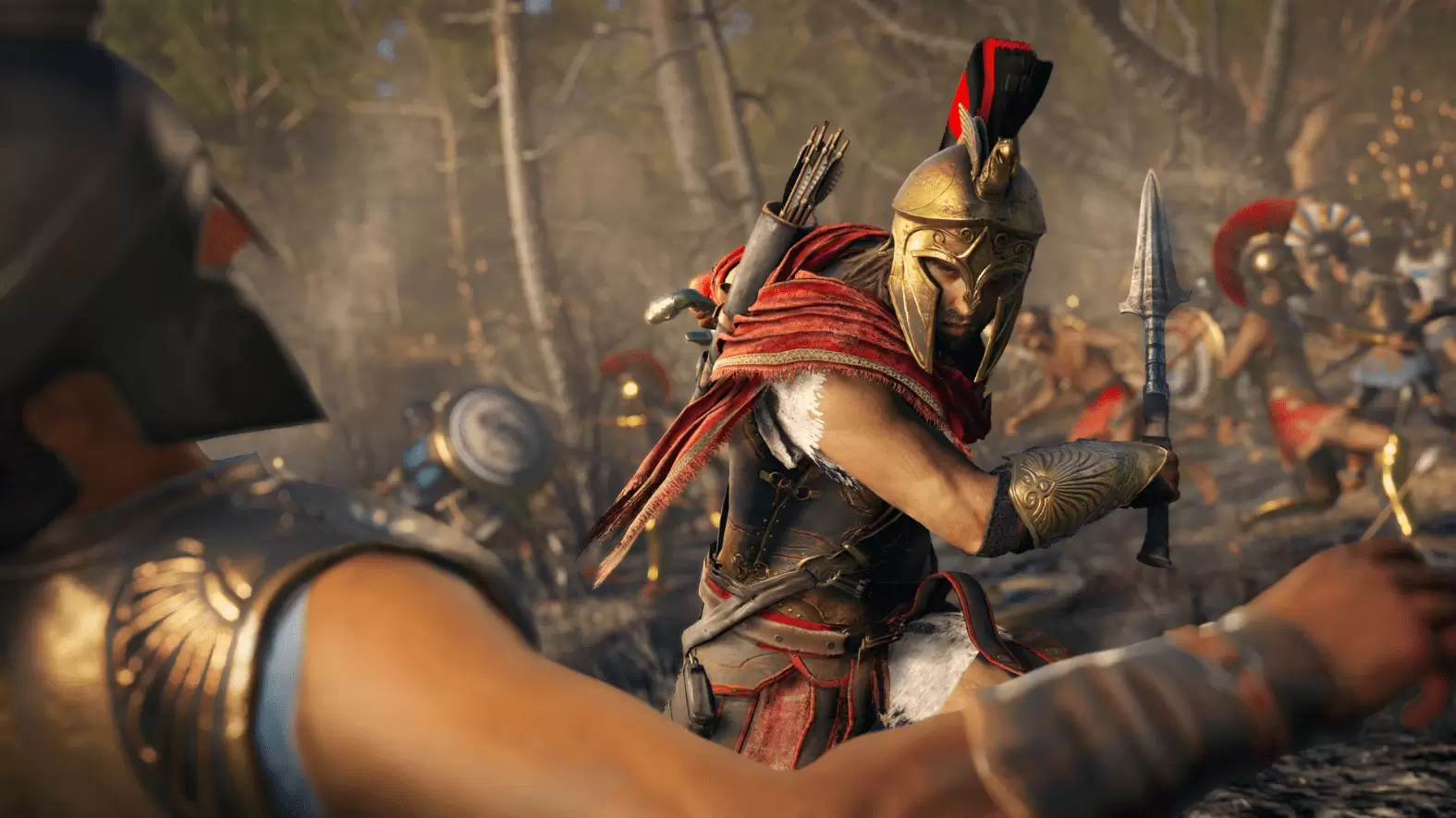
Crowds were also changed. Places with a lot of people still feel packed, but the number of NPCs is a bit lower. Even with that change, the towns still look full. The environment stays strong, which is why many fans are calling it one of the better Switch 2 ports.
The Switch 2 version also has DLSS and VRR. DLSS uses smart upscaling to make the picture look cleaner. VRR keeps the frame flow smooth, so screen tearing does not show up. When you combine both, Shadows runs much faster and feels sharp even when used as a handheld. Ubisoft said these two features are now normal tools for them, not just extra things.
Handheld mode is tougher. The GPU space and heat limits are smaller, so Ubisoft changed how images are processed and how objects load. They made a special code to keep VRR working at thirty frames too. The team said they did not want to give up on smooth gameplay. They wanted it to feel natural.
The developers said this project was tough, but it also gave them a chance to try new ideas. Portable hardware is fixed and does not allow players to change settings like on PC. So the team builds the whole game around one device. That makes them think differently, and that sometimes makes the game better.
Switch 2 is now a big part of Ubisoft’s planning. Many third-party games do not sell well on other systems, but the Switch usually does well. With a much better Switch 2 coming, Ubisoft sees this as a chance to grow again. Shadows might become a strong example of what big studios can do when they treat Switch like a main platform.
Star Wars Outlaws already showed players want large games on Switch 2. It also showed that performance does not need to drop when moving from big consoles to a portable device. Ubisoft believes that this approach will bring more players. Shadows will likely prove that again.
Another thing hidden in the notes is that Ubisoft teams are getting more familiar with ARM. This knowledge will help all future Switch 2 games. They might start making games with Switch 2 in mind from the start instead of quick ports. If that happens, Ubisoft’s presence on Nintendo will grow a lot more.
Nintendo’s tools are also better now. Switch 2 has a stronger GPU, a better hardware pipeline, and faster memory. Because of these changes, Ubisoft can keep more of the original design. Weather systems, combat speed, and stealth lighting run closer to how they do on bigger consoles.
They changed a few things for handheld players, but the core gameplay stays the same. Icons got bigger for small screens. Touch input helps reach quick actions. Load times feel shorter now because transitions were improved. Shadows was not simply copied to Switch 2. It was shaped to fit it.
The steady thirty frames goal is based on experience. Ubisoft wanted a stable feeling over chasing higher numbers that may break the game’s look. They learned from older hardware that stability is important for open-world games. Switch 2 can hold that without losing the style.
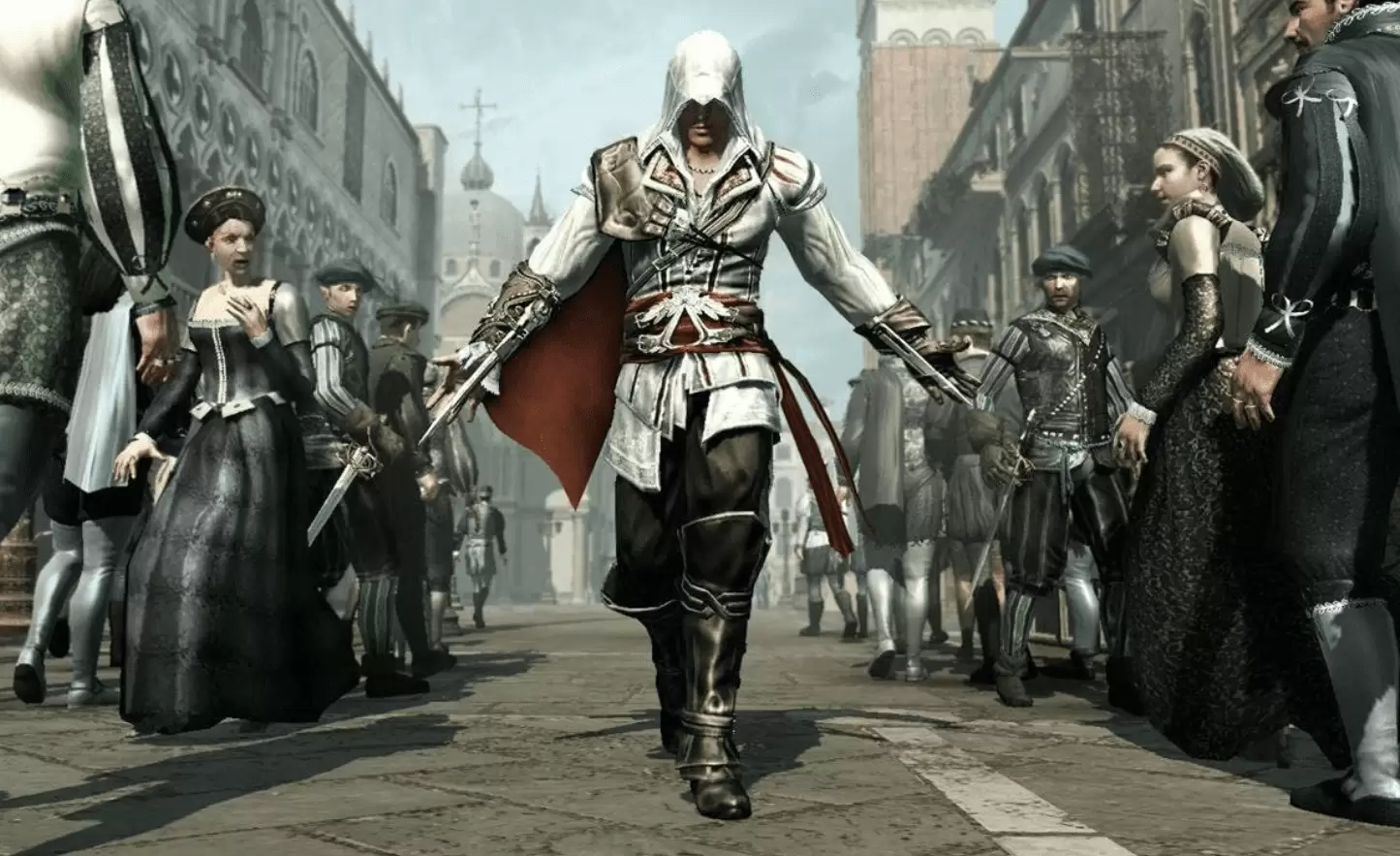
When Shadows releases on December 2, it will be one of the strongest third-party games on the next Nintendo system. Early tests show it uses smart engineering and good planning. Seeing such a big world run well on a small device shows that portable gaming can grow without losing depth.
As more studios learn how Switch 2 works, games like Shadows will set expectations. Players will want worlds that feel complete. Developers will study how Ubisoft kept both ambition and performance. Other studios might change how they build their Switch versions.
Shadows feels like the first game in a fresh run of Assassin’s Creed titles for small devices. It pushes what can be done on portable hardware. It makes me think that future games on Switch 2 will keep getting better, even with limits. This release will guide how future ports are shaped.
People in the industry are now watching to see how this affects multi-platform design. Shadows might be remembered not only for its setting but also for how it pushed portable tech forward and changed what players expect from Switch 2 games. You may also be interested in: Assassin’s Creed Mirage Valley of Memory Review