I always liked detective stories. Old mystery books, crime dramas, and those classic investigation games where every clue matters. When I tried Connected Clue for the first time, it instantly reminded me of those 19th century detective novels. The slow investigation, the quiet crime scenes, and the process of linking clues together gave me that same feeling of solving a puzzle piece by piece.
Connected Clue is an isometric mystery adventure game where every case depends on your reasoning. You play as Diana, a rookie detective who must investigate crimes, gather evidence, question suspects, and uncover the truth. At first the cases look simple. But once you start digging deeper, things become more complicated.
About Connected Clue
The story begins with a shocking bank robbery. A group of criminals break into the vault and escape with a large amount of cash and a priceless treasure. The city is in panic and the police struggle to understand what really happened.
This is where Diana enters the investigation.
As a new detective, she must study the crime scene, question witnesses, and follow every lead. The interesting part is that the game never forces the solution. Your own reasoning decides what happened.
I remember one case where I thought a suspect was clearly guilty. But after checking the clues again on the detective wall, I realized the timeline did not match. That moment felt really satisfying because the game rewards careful observation.
Crime Scene Investigation and Evidence Collection
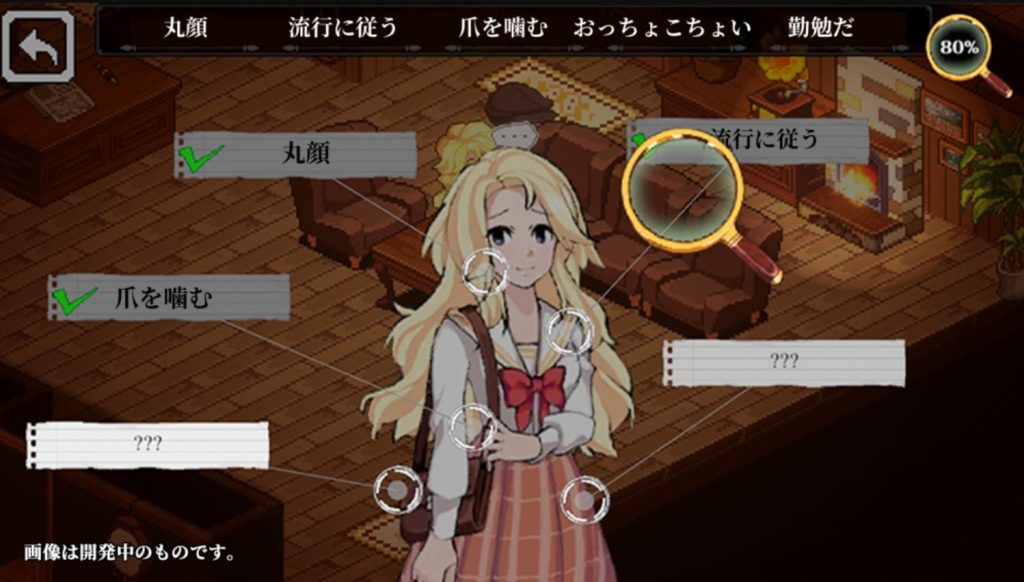
The main part of Connected Clue is investigating crime scenes. Every location contains small details that can easily be missed if you rush. Sometimes a small scratch on a table or a forgotten object becomes the key to solving the entire case.
The game gives you several detective tools to examine the environment.
Magnifying Glass Investigation
The magnifying glass helps you inspect small details closely. You can study objects, footprints, or unusual marks that normal observation might miss.
Fingerprint Analysis
You can collect fingerprints using charcoal powder. I actually enjoyed this feature because it feels like real detective work. Finding matching prints later during interrogation can expose lies very quickly.
Field Investigation
Some clues require visiting other locations in the city. Talking to witnesses, exploring side streets, and checking nearby buildings helps connect testimonies with physical evidence.
Sometimes I spent extra time exploring places that were not even part of the main mission, and surprisingly I discovered hidden clues that helped later.
Code Breaking and Puzzle Solving
Not every mystery in Connected Clue is solved through physical evidence. Some clues are hidden in coded messages.
You might find notes with strange symbols or locked documents that require solving a cipher. Decoding these messages can reveal hidden locations or secret meetings.
I personally enjoy these puzzles because they break the normal investigation routine. Instead of searching the environment, you must analyze patterns and think logically.
Sometimes the solution appears obvious only after you step away and look again.
Interrogation and Suspect Questioning
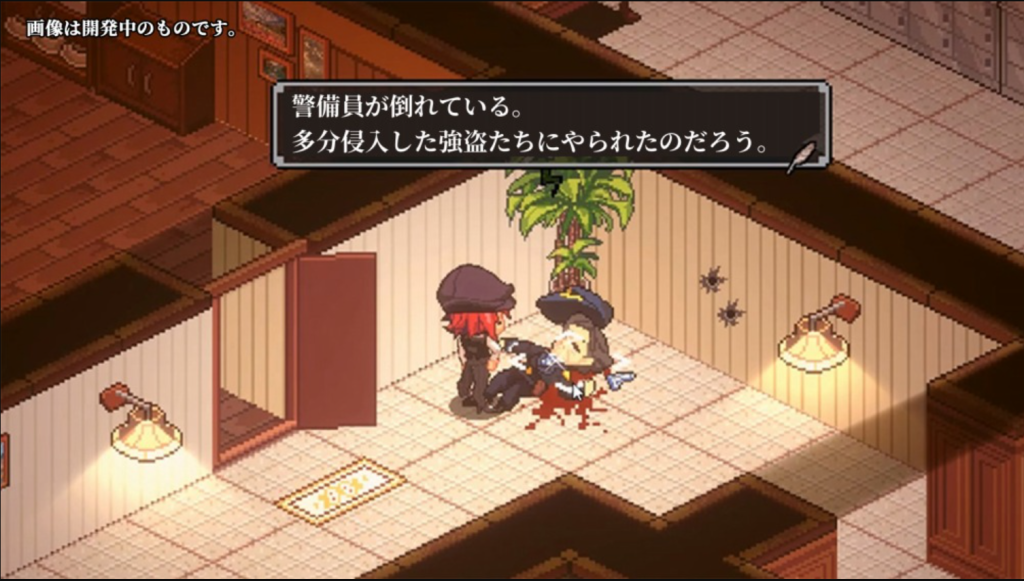
After gathering enough clues, the next step is interrogation. Suspects rarely tell the full truth. Some will lie, others will avoid answering, and a few will try to mislead the investigation.
This is where your collected evidence becomes important.
You can present evidence during questioning to challenge statements. If the suspect says something that contradicts the facts, you can expose the lie immediately.
I once accused the wrong person too early because I misunderstood a witness statement. That mistake forced me to review all clues again, which actually made the final solution more satisfying.
Action Elements and Stealth Gameplay
Even though Connected Clue is mostly about investigation, danger is always nearby.
Crime scenes sometimes involve criminals who do not want to be caught.
Stealth and Disguises
You can change outfits to avoid attention. Disguises allow you to enter suspicious areas without raising alarms.
This mechanic becomes useful when following suspects who might recognize you.
Following Suspects
Tail missions require patience. You must stay close enough to observe but far enough to avoid being noticed.
I failed my first tail mission because I walked too fast and the suspect turned around. After that I learned to move slowly and use cover.
Combat Situations
Sometimes criminals resist arrest. In these moments you must fight back and subdue them.
Combat is simple but it adds tension during investigations. It reminds you that detective work can be dangerous.
The Detective Wall System
One of my favorite features in Connected Clue is the Detective Wall in Diana’s office.
Every piece of evidence you collect can be placed on the wall. Photos, witness statements, fingerprints, weapons, and documents are all connected with threads.
This board helps you visualize the entire case.
By linking clues together you can reconstruct the sequence of events. Sometimes just moving evidence around reveals connections that were not obvious before.
It really feels like building a crime investigation step by step.
Reconstructing the Case
When enough clues are gathered, you must reconstruct the entire crime.
You identify the victim, the suspect, the weapon used, and the timeline of events. Then you confront all suspects and expose contradictions in their statements.
Pointing out the true culprit is always a tense moment.
If your reasoning is correct, the case is solved and justice is served.
If not, you may have to review the evidence again.
Accessibility Features
Connected Clue includes several accessibility options to make the game comfortable for all players.
Audio Support
Some puzzles rely on sound signals. The game adds visual indicators for these sounds so players do not miss important clues.
Color Adjustment
Brightness and color settings can be adjusted. Color labels also help identify puzzle elements clearly.
This small feature actually helped me during one puzzle that relied on color differences.
Story Atmosphere and Setting
The game strongly captures the mood of 19th century detective stories.
Dim streets, quiet offices, suspicious witnesses, and detailed crime scenes create a serious investigative atmosphere.
It feels like stepping into an old mystery novel.
Players who enjoy detective fiction will probably appreciate this style.
System Requirements
Minimum Requirements
- Operating System: Windows 10
- Processor: 2.3 GHz Intel Core 2 Duo or better
- Memory: 8 GB RAM
- Graphics: DirectX 9 compatible
- DirectX: Version 10
- Storage: 500 MB available space
Official Information
For official updates and release information, you can visit the Steam platform where the developers publish game announcements.
FAQ About Connected Clue
What type of game is Connected Clue
Connected Clue is a detective mystery adventure game where players investigate crimes, gather evidence, question suspects, and solve cases through reasoning.
Who is the main character in Connected Clue
The main character is Diana, a rookie detective who investigates complex crimes across the city.
How does the evidence system work
Players explore crime scenes using tools like magnifying glasses and fingerprint powder. Evidence is then organized on the detective wall to reconstruct events.
Is Connected Clue focused only on puzzles
No. While puzzles and deduction are the main focus, the game also includes stealth, suspect tracking, disguises, and occasional combat situations.
What makes the Detective Wall important
The detective wall allows players to connect clues, witness statements, and evidence. This system helps reconstruct the timeline of the crime and identify the real suspect.
Are there different types of mysteries in the game
Yes. Players solve robbery cases, suspicious disappearances, coded messages, and hidden conspiracies throughout the story.
Is Connected Clue suitable for players who like detective stories
Yes. The game is inspired by classic detective novels and focuses heavily on reasoning, investigation, and logical deduction.
Does the game support content creators
Yes. The developers allow players and organizations to upload gameplay videos and stream the game as long as spoiler warnings and proper links are included.
Final Verdict
Connected Clue surprised me more than I expected. At first, it looked like a simple detective game, but the deeper investigation mechanics made it really engaging. Solving a mystery using logic instead of just following markers feels rewarding.
If you enjoy solving crimes, studying clues, and connecting evidence to reveal the truth, this game is worth trying.
Every case becomes a puzzle, and every puzzle leads closer to the truth.