

I’ve owned every PlayStation console since the PS2, and I still remember the satisfaction of pulling a fresh disc out of its case. That small ritual might be disappearing, and going by the reaction online, a lot of gamers are not taking it well.
Reports suggesting Sony is planning to move away from physical discs for future PlayStation releases have kept the gaming community talking for almost two weeks now. What’s made things worse for a lot of fans isn’t just the reports themselves. It’s Sony’s response, or rather, the lack of one.
Sony Keeps Posting Like Nothing Happened
Instead of putting out a statement, Sony has kept its usual schedule going. New PlayStation Plus monthly games got announced. Upcoming releases got their usual promotional push. Business as usual, basically.
That’s exactly what’s bothering people. Every time Sony puts out a normal promotional post, the replies fill up with comments about digital ownership, and community notes now regularly pop up under these posts reminding people that a digital purchase is a license, not something you actually own outright.
Those notes bring up real concerns. Access to a digital game can be pulled. There’s no lending it to a friend. Reselling isn’t an option. And if a storefront or server shuts down years from now, that purchase could just vanish.
I’ve had this happen on a smaller scale with a mobile game I paid for that got delisted along with my save data. It’s a small taste of what people are worried about at a much bigger scale here.
Even Third Party Game Promotions Aren’t Safe From the Backlash
What’s interesting is that this isn’t staying contained to Sony’s own posts. Promotional posts for upcoming games from completely unrelated third party developers have started getting flooded with comments about the disc situation. In some cases, the community notes appearing under these posts are about Sony’s digital strategy rather than the actual game being promoted.
That tells you something about how far this conversation has spread. It’s no longer just a Sony problem in people’s eyes. It’s becoming a broader statement about where the whole industry might be headed.
The Totoki Stock Sale Adds Fuel to the Fire
Reports connected to Sony leadership haven’t helped calm things down either. Claims that CEO Hiroki Totoki sold company stock shortly before the digital only reports came out have become a talking point of their own. Most of the online chatter isn’t really about the sale itself though. It’s more about what it signals to people who already feel uneasy about where the company is heading.
An Analyst Says Sony Probably Isn’t Worried
Japanese games industry analyst Serkan Toto has weighed in with a take that a lot of fans probably don’t want to hear. In his view, Sony likely expected this kind of backlash before making any decision, and the company is betting that the outrage cools down on its own rather than forcing a change of plans.
The numbers back up that thinking, unfortunately for critics. PlayStation has more than 120 million active users and around 50 million PlayStation Plus subscribers. Even if hundreds of thousands of people cancel their subscriptions in protest, that’s still a small slice of the overall user base.
Looked at from a pure business standpoint, the long term financial upside of a digital first ecosystem probably outweighs a few rough weeks of bad press. That’s a hard pill to swallow for players who were hoping Sony would at least address the concerns publicly. Instead, the silence has been read as confirmation that the company isn’t planning to budge.
What Fans Are Doing About It
Despite the odds, a chunk of the community isn’t giving up. Some players are actively encouraging others to cancel PlayStation Plus, skip digital pre-orders, and generally cut back on spending with the platform. Their argument is simple: if people keep buying as usual, Sony has no reason to think this matters to anyone beyond a loud minority online.
Others are looking further down the road. Their worry isn’t just about discs going away. It’s about what happens after that. If a company can remove one form of consumer choice without facing real consequences, there’s little stopping further restrictions down the line. That kind of slippery slope thinking comes up a lot in these discussions, and honestly, gaming history has a few examples that back it up, like the DRM battles PC gamers have fought for over a decade.
Gaming outlets have covered the fallout in detail too, including the wave of PlayStation Plus cancellations tied to the backlash. Whether that translates into actual sales impact for the next PlayStation console is still an open question.
Could This Affect PS6 Sales?
This is where things get genuinely uncertain. A short term dip in subscriptions is one thing. Sony can absorb that without blinking. But if a meaningful portion of the existing PlayStation base decides to sit out the next generation entirely over this issue, that’s a different kind of risk.
Nobody can predict hardware sales years in advance with any real accuracy. Still, plenty of critics are making the point that brand loyalty isn’t infinite, and companies that assume it is sometimes learn that lesson the hard way.
The “Where Else Would They Go” Problem
One thing that keeps coming up in these discussions is a sense that Sony is confident there’s nowhere else for its players to turn. The thinking goes that most PlayStation owners will grumble but stay put, which leaves consumers with very little actual leverage besides not buying future hardware or software.
That’s a frustrating position to be in as a fan. You can be unhappy with a decision and still not have anywhere else to reasonably go, especially if your friends, your save data, and your trophy history are all tied to one ecosystem.
Assassin’s Creed Black Flag Resynced Review: Why Edward Kenway’s Voyage Still Feels Worth Taking
What the Reported Strategy Actually Looks Like
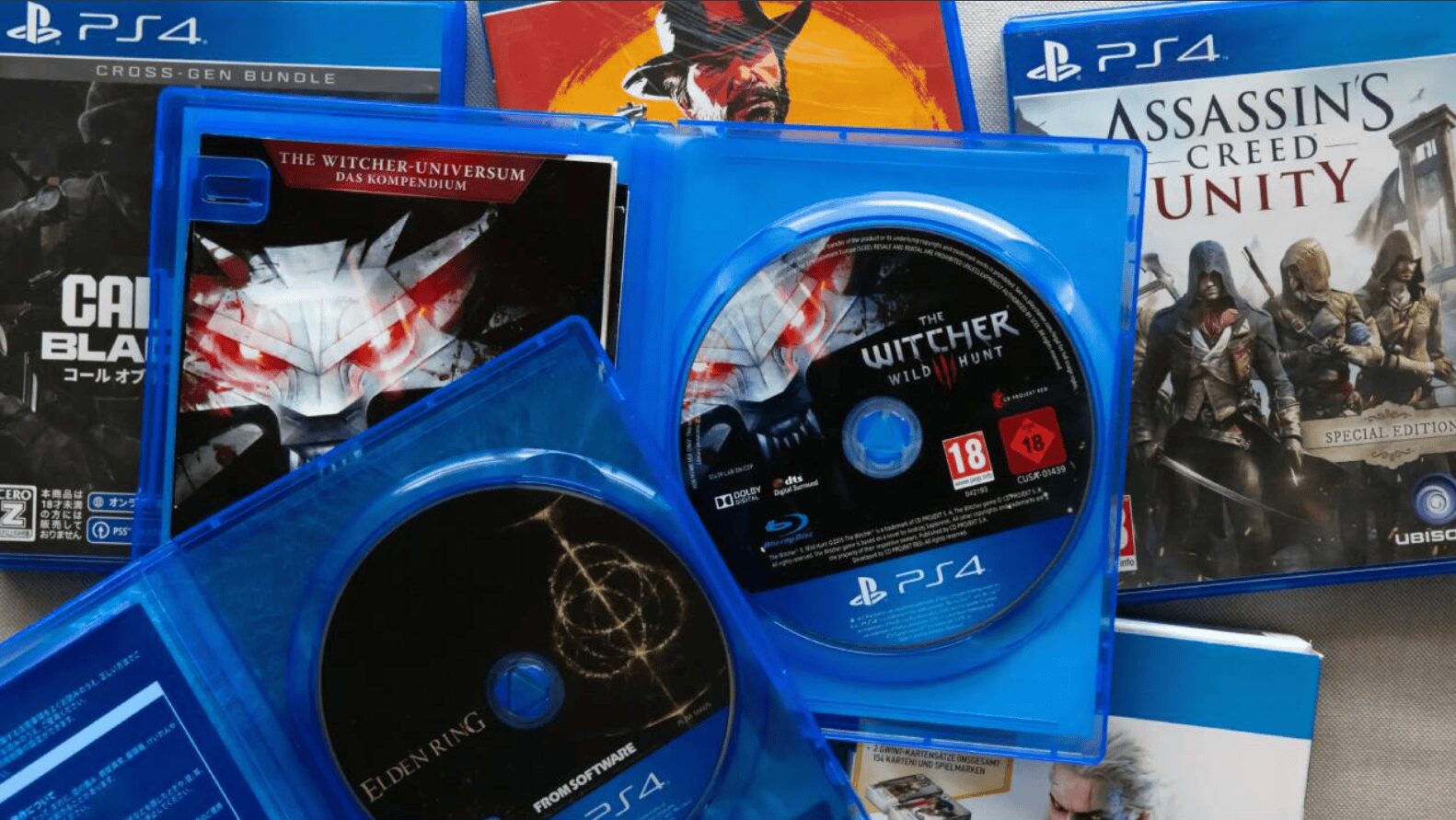
Based on the reports circulating, Sony reportedly sees its digital user base as large enough now that supporting traditional physical buyers isn’t essential anymore. If that’s accurate, retail stores would likely still sell PlayStation game boxes, but instead of a disc inside, buyers would get a code that ties the purchase permanently to their digital account.
Critics say this changes what ownership actually means. Right now, a physical copy is something you can trade, resell, lend, or hang onto for years without worrying about servers or licensing terms. A code in a box removes all of that. You’re left with a digital license, subject to Sony’s terms, dressed up to look like a physical purchase.
Follow the Money
There’s a clear financial reason behind all this too. When Sony sells a first party game directly through the PlayStation Store, it keeps nearly all of that revenue. Physical copies come with extra costs baked in, manufacturing, shipping, warehousing, and a cut for the retailer selling the box.
Every physical copy sold means Sony shares part of that revenue with other companies along the supply chain. Cutting discs out entirely means fatter margins and a simpler distribution process overall. For a lot of critics, that’s the real explanation for why Sony seems willing to ride out weeks of bad publicity. Short term criticism is cheap. Higher margins over years add up to a lot more.
Physical Media Isn’t Actually Dead Everywhere Else
Supporters of physical games often point out something that gets overlooked in this debate. Vinyl records are still sold. Blu-rays and DVDs are still on shelves. CDs haven’t disappeared. Streaming exists alongside all of it rather than replacing it outright.
Their argument is that removing physical games entirely isn’t really about following a natural shift toward digital. It’s about removing a choice that other entertainment industries have chosen to keep around, even in a streaming heavy world.
Account Bans Are the Scary Part for a Lot of Players
A big chunk of the anxiety here isn’t really about discs at all. It’s about accounts. Digital libraries live and die with your account, so a wrongful ban, a hacked account, or some kind of security issue could mean losing access to a library that took years and thousands of dollars to build.
Even when accounts eventually get restored, critics argue that the possibility of losing everything, even temporarily, is exactly why physical ownership still matters to a lot of people. Digital advocates counter that this is a rare edge case and convenience wins out for most players day to day. Critics respond that convenience shouldn’t come at the cost of ownership rights, and honestly, both sides have a point worth taking seriously.
Could Competition Force Sony’s Hand?
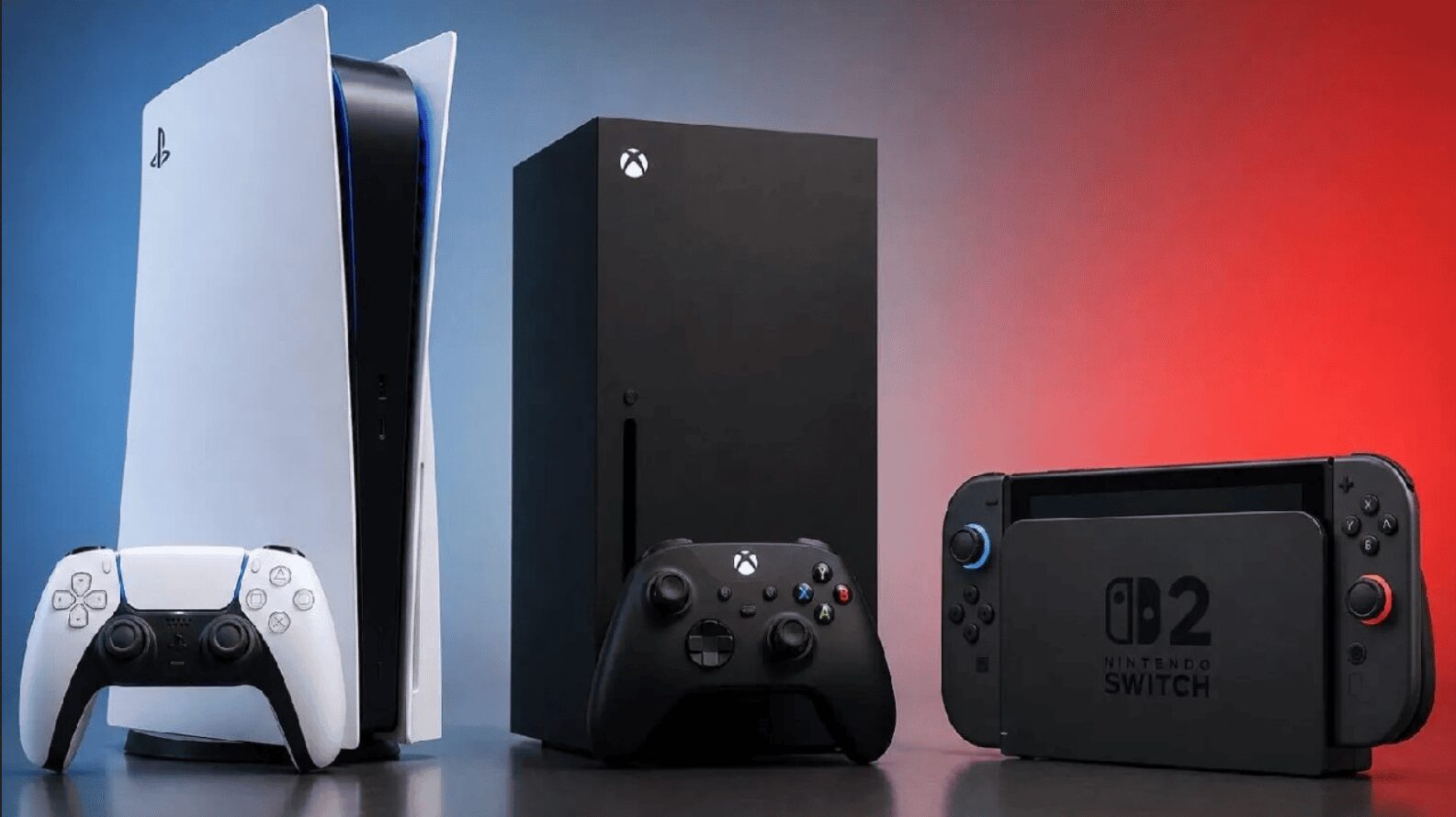
Some fans are looking at Xbox as a potential counterweight, hoping Microsoft leans into physical support for its next console to win over disgruntled PlayStation owners. There’s some precedent here too. Microsoft famously reversed a string of unpopular Xbox One policies back in 2013 after major public pushback, so the company isn’t a stranger to changing course under pressure.
Whether Xbox is in a strong enough position right now to apply that same kind of pressure on Sony is a fair question, given the division’s own recent struggles.
Nintendo sits in its own middle ground. Physical cards are still standard, but third party support varies a lot. Some games ship fully on the cartridge, others are little more than a download code in a box, which honestly isn’t that different from what Sony is reportedly planning. Over on PC, GOG keeps pushing DRM free ownership as its whole selling point, while plenty of big publishers still lock games behind DRM systems that limit how freely you can use what you bought.
None of these alternatives fully solve the underlying debate, but they do prove that different approaches to ownership are still possible in 2026, not just a relic of the disc era.
Where This Leaves Fans
The community is genuinely split right now. Some players are saying they’ll stick with their PS5 and skip a PS6 entirely if physical media disappears. Others say they’ll stay with PlayStation regardless, viewing digital distribution as an inevitable direction the whole industry is heading in anyway.
Critics of the shift keep coming back to one core idea. If consumers accept this kind of change quietly, it becomes easier for more consumer rights to erode down the line. Ultimately, buying decisions are the only real vote consumers get in this situation, and how people spend over the next year or two will probably say more than any petition or hashtag campaign ever could.
For now, Sony keeps releasing new games without addressing the controversy directly. Some analysts think the outrage naturally fades within a few more weeks. Whether it actually changes how people buy PlayStation hardware and games long term is something we’ll only really know once the PS6 launches and the sales numbers come in.
My Take After Following This For Years
Having watched a few of these console generation shifts play out, my honest read is that the initial outrage rarely translates into the sales hit people online expect. But this feels a little different because it touches something more personal than a price hike or a new subscription tier. It touches the idea of actually owning what you paid for, and that’s a harder thing for fans to just shrug off, even if most of them end up buying the console anyway.